

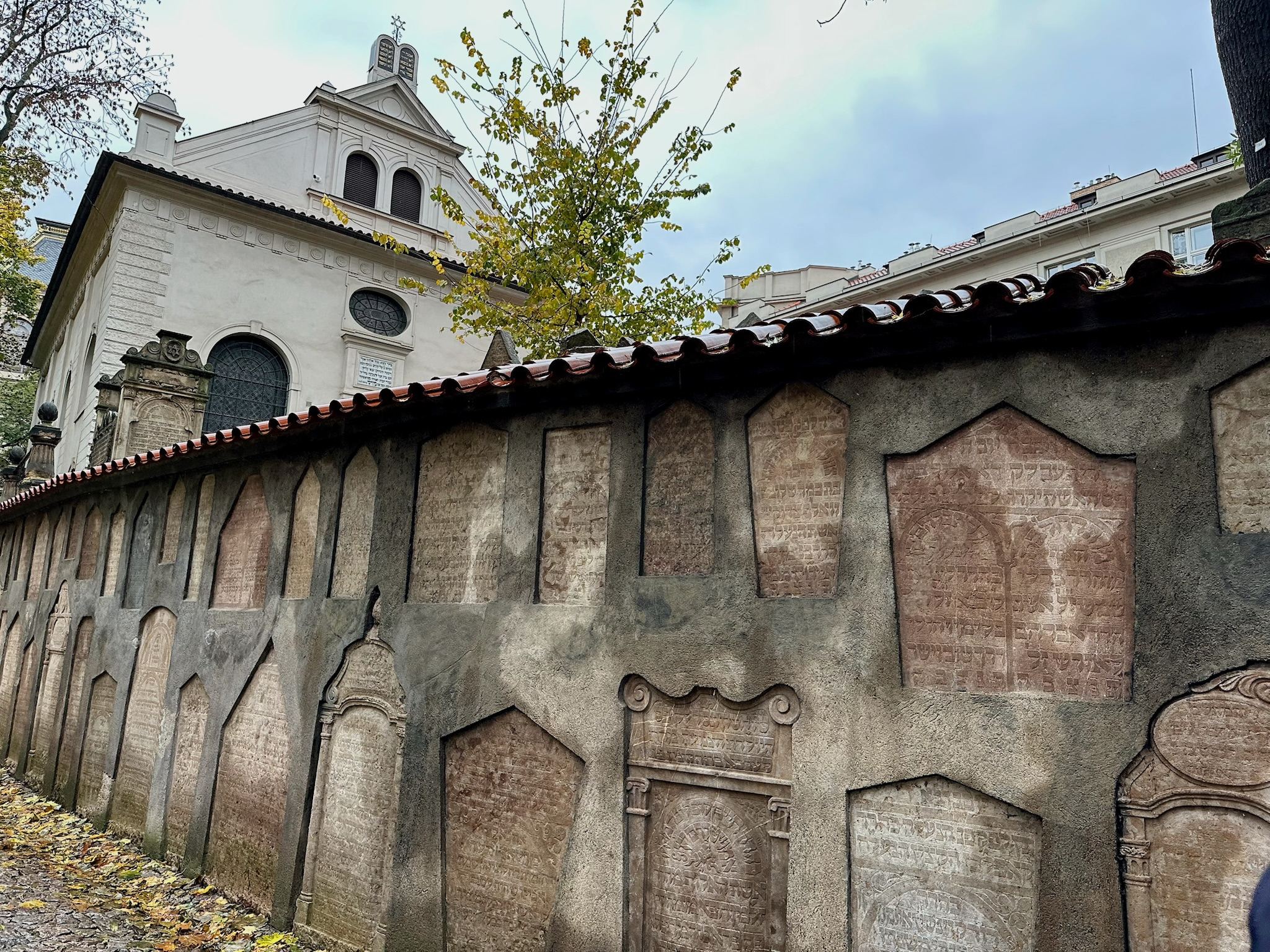

The Jewish Quarter in Prague feels different from the rest of the city almost immediately. The crowds thin, the pace slows, and the weight of history becomes impossible to ignore. This is a place that asks for attention — not admiration, but understanding.
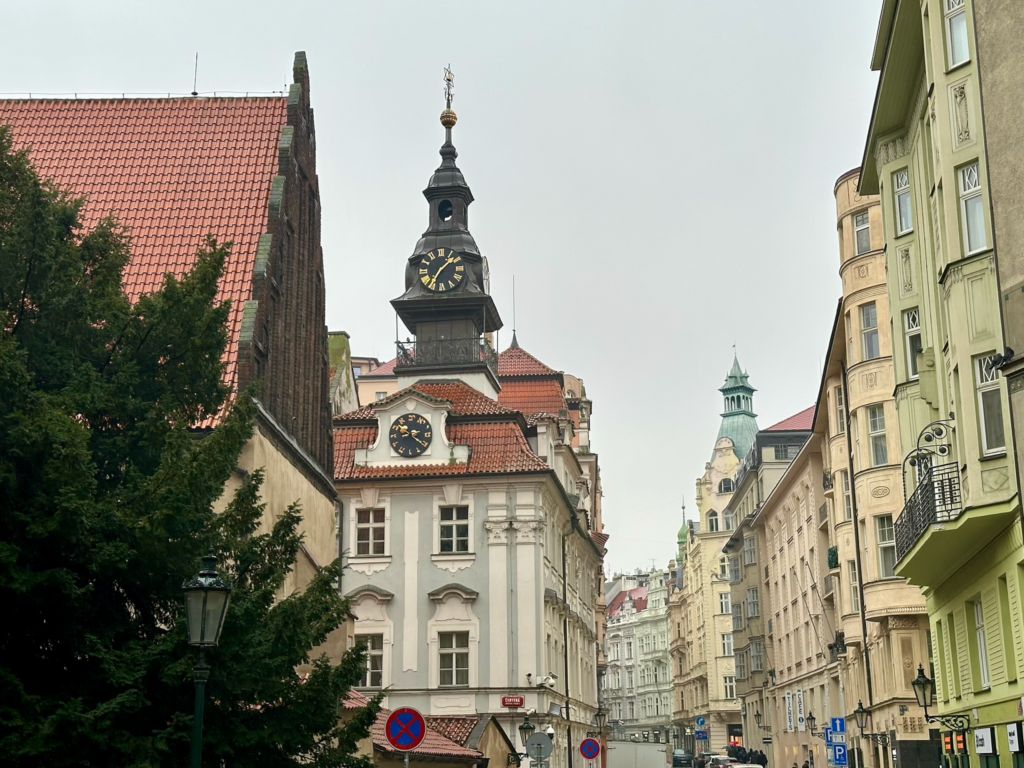
Walking into Josefov, the streets feel quieter, more enclosed, as if the city itself is holding its breath.
The buildings here carry layers of time — medieval foundations, later renovations, and the marks of survival through centuries of upheaval.
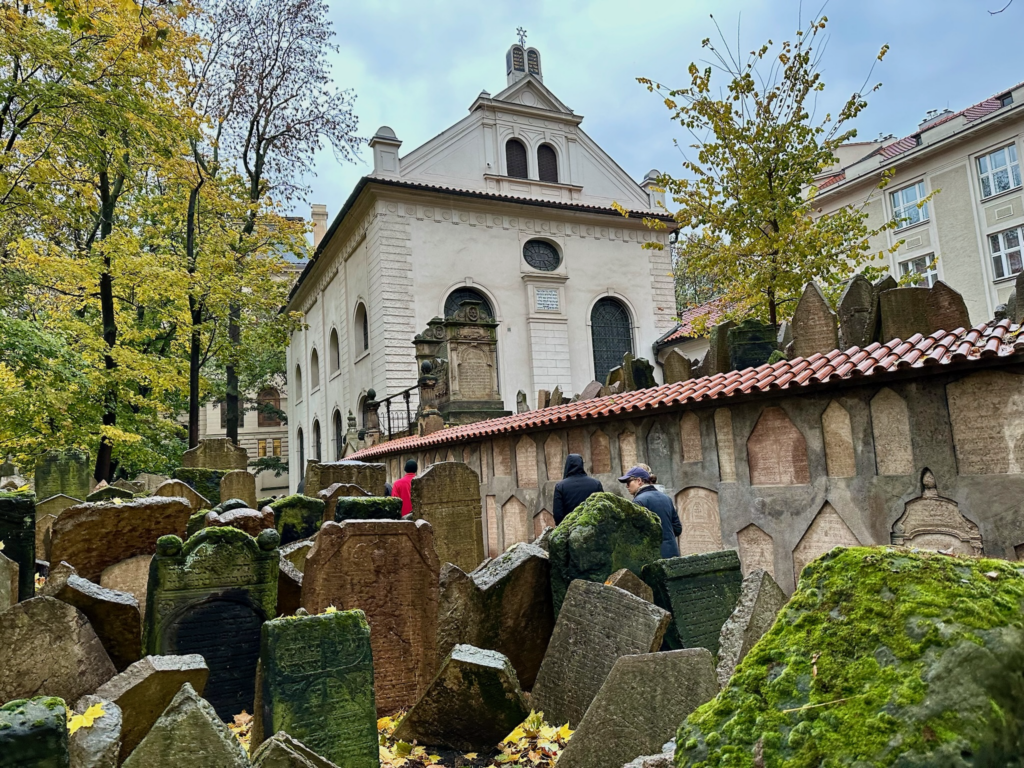
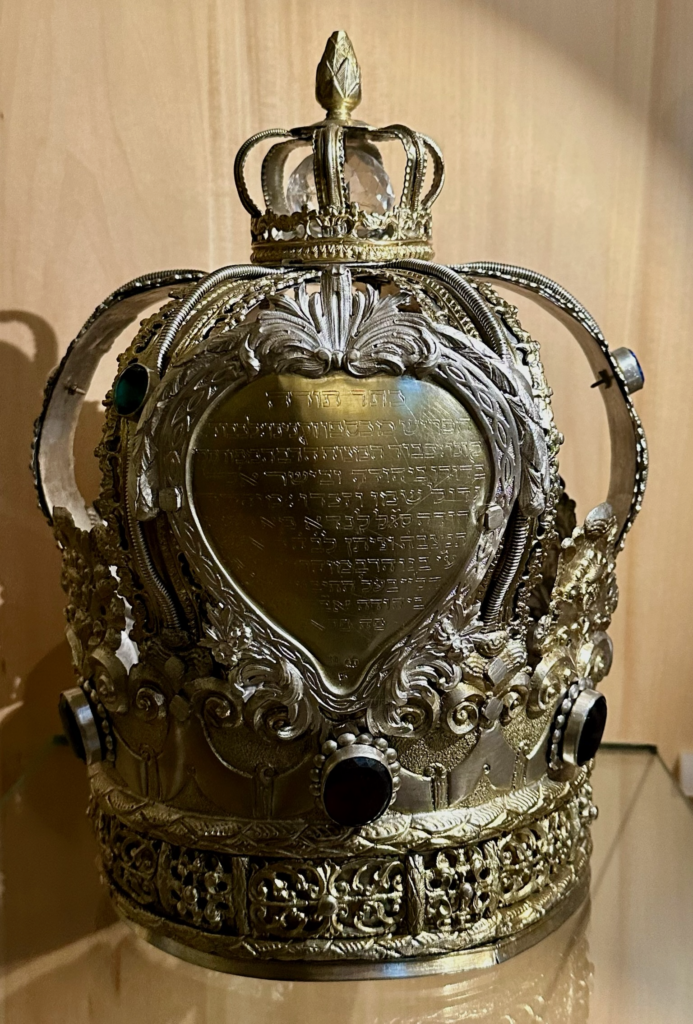
The Old-New Synagogue stands with a presence that’s both modest and powerful, a reminder of how long Jewish life has existed here.
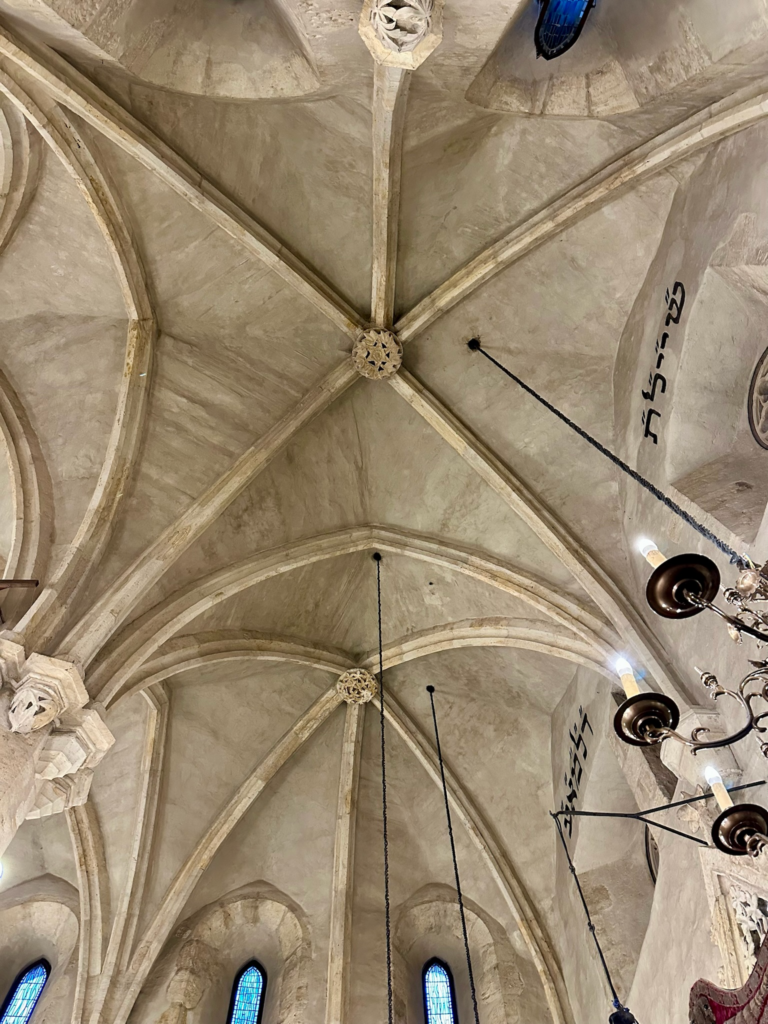
Inside the synagogues, light filters in softly, illuminating spaces built for reflection rather than spectacle.
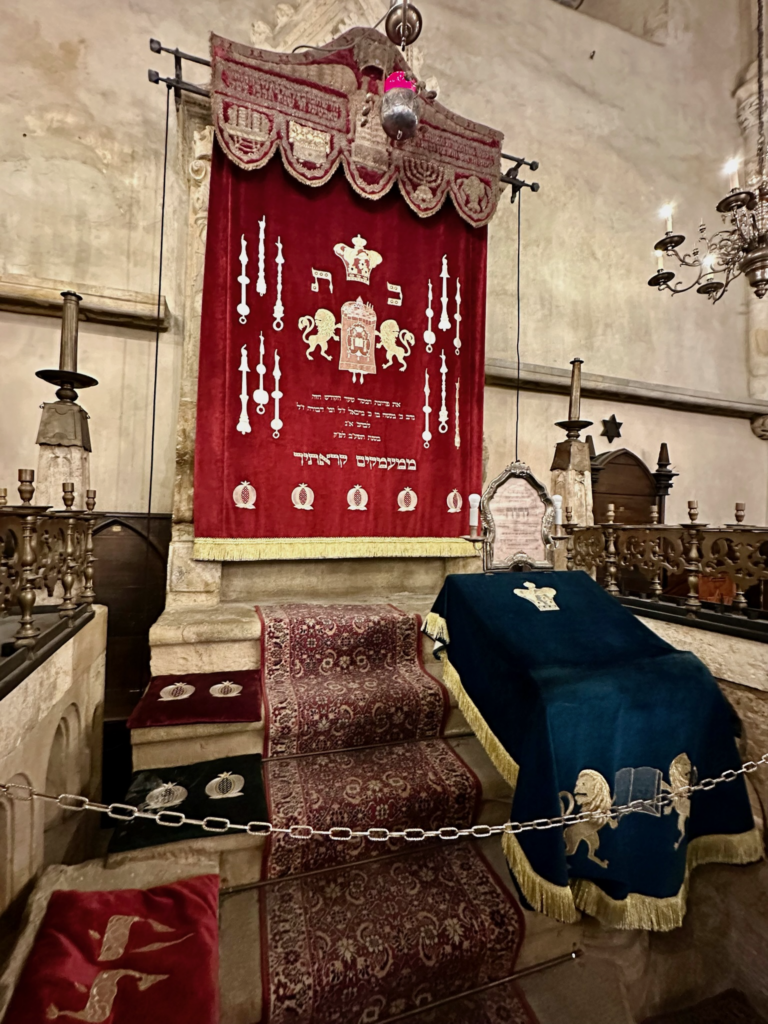
The Jewish Museum sites don’t overwhelm with size, but with detail — names, dates, and stories that make history deeply personal.
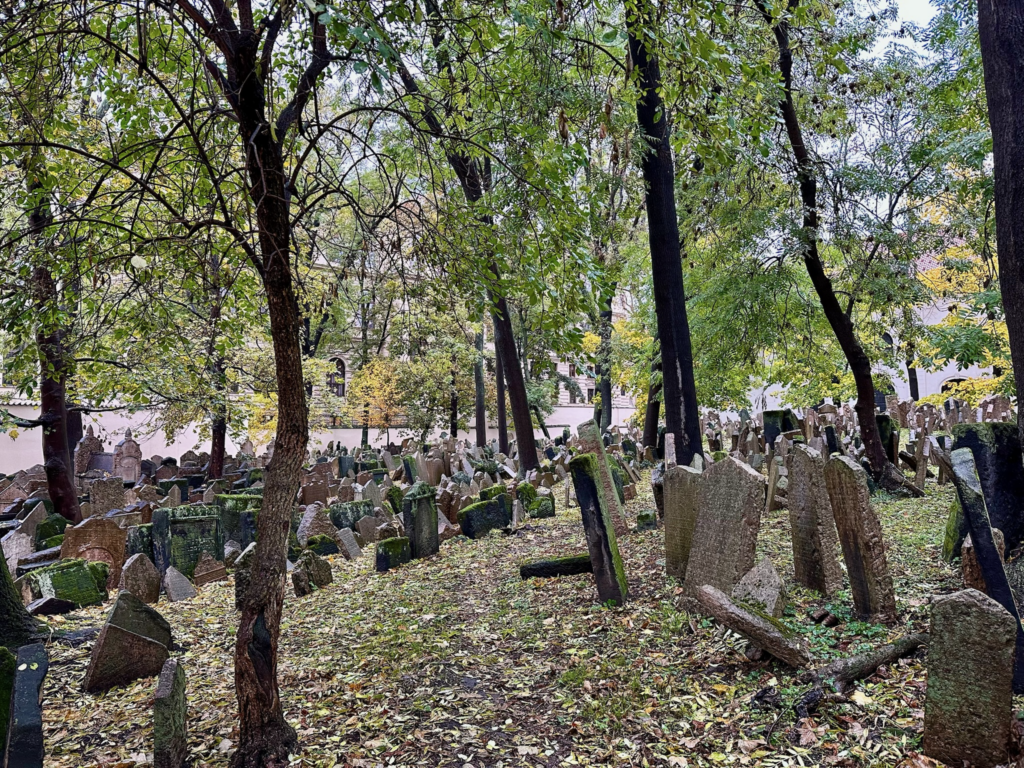
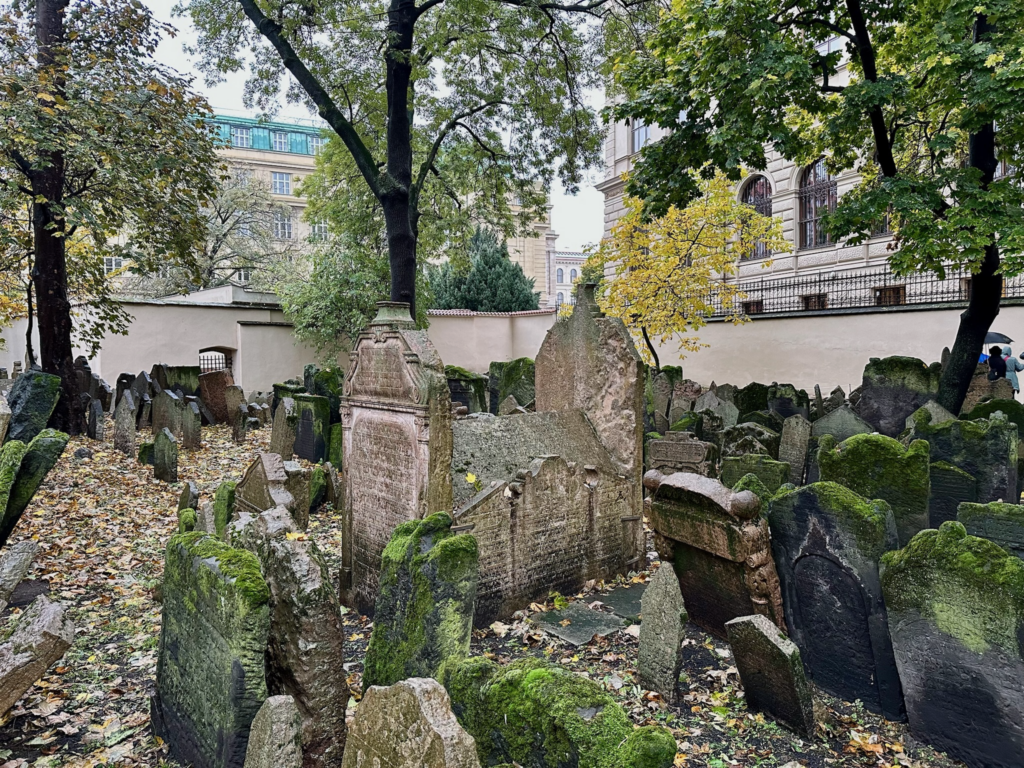
The Old Jewish Cemetery is unlike anywhere else. Layers of gravestones rise unevenly, crowded together by centuries of necessity.
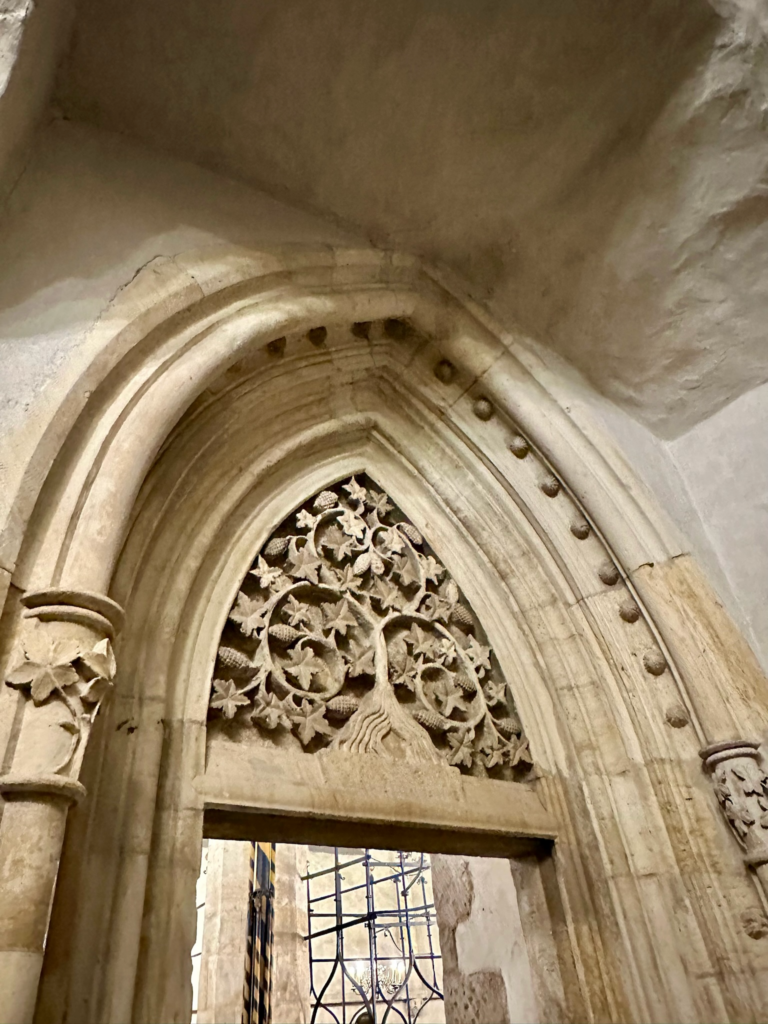
Each stone feels individual, even when packed tightly together — carved symbols and inscriptions weathered by time.
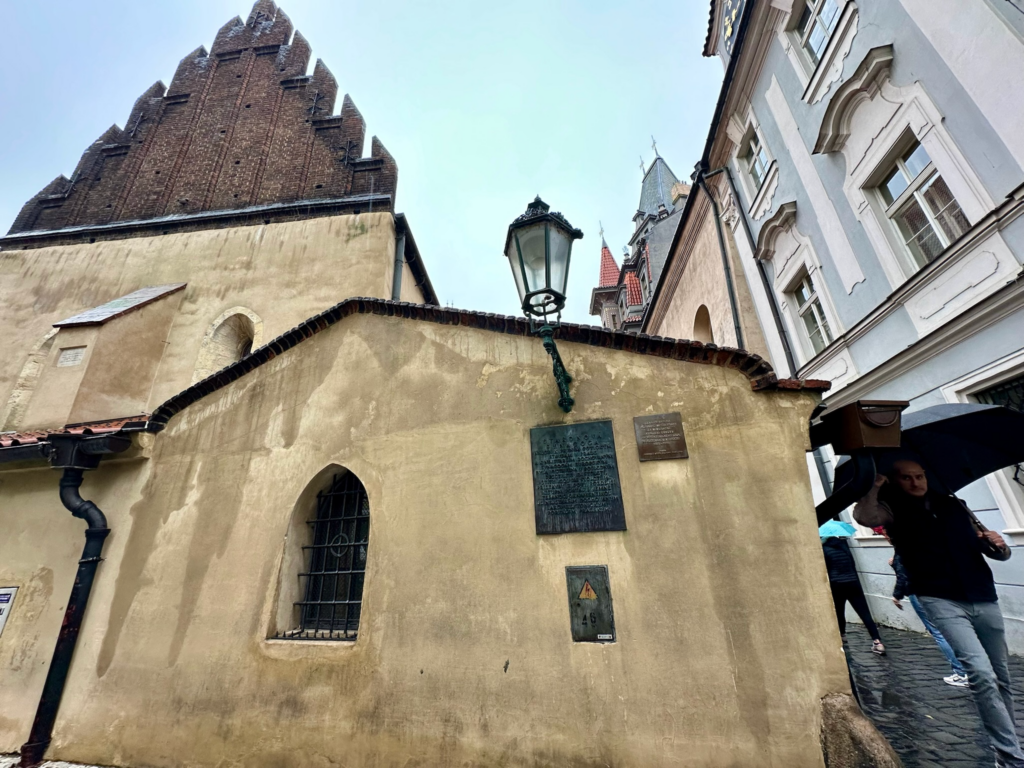
There’s a quiet intensity here, where silence says more than any plaque or guide ever could.
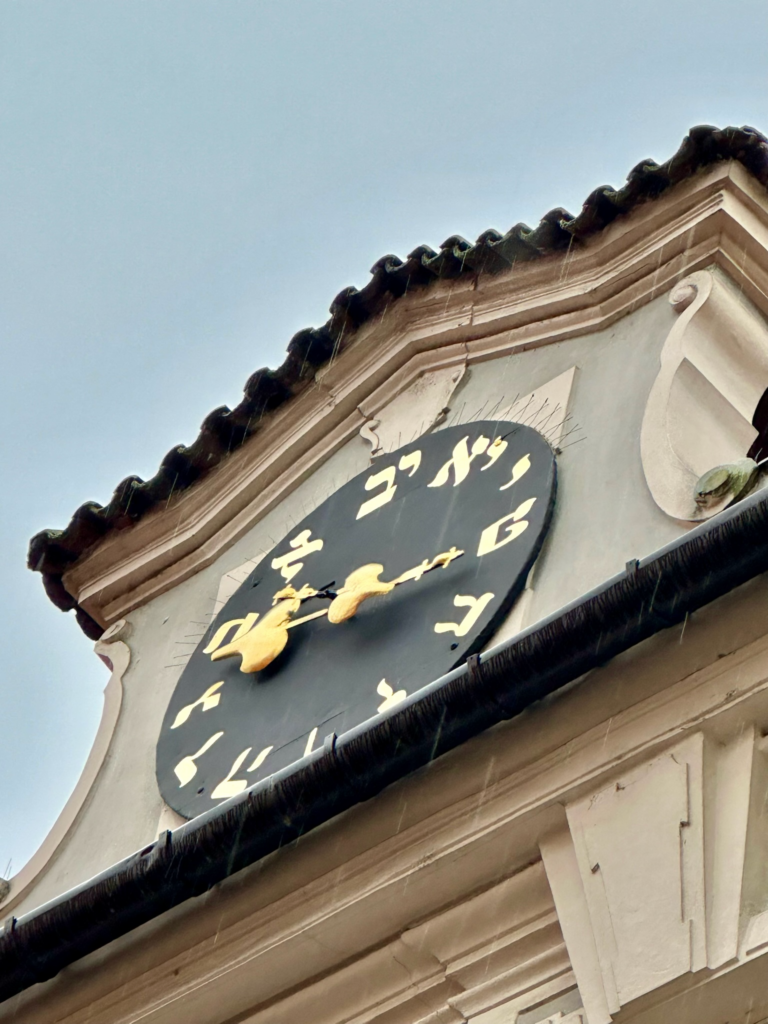
Moving through Josefov, it’s impossible not to think about what was lost, and what endured despite everything.
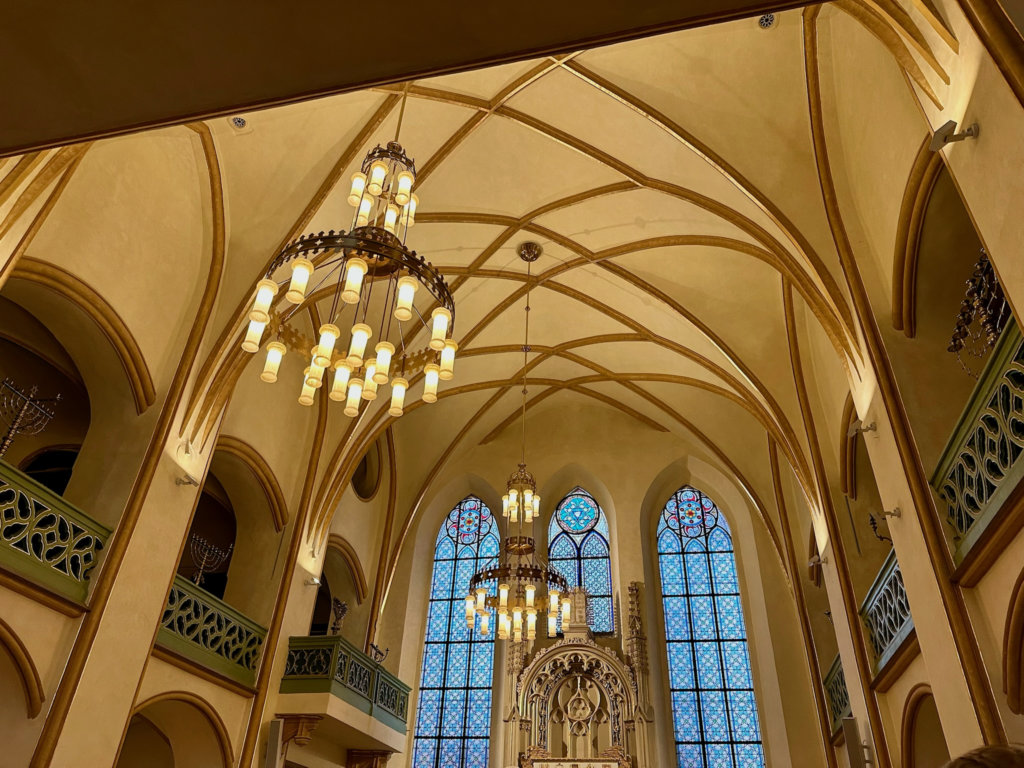
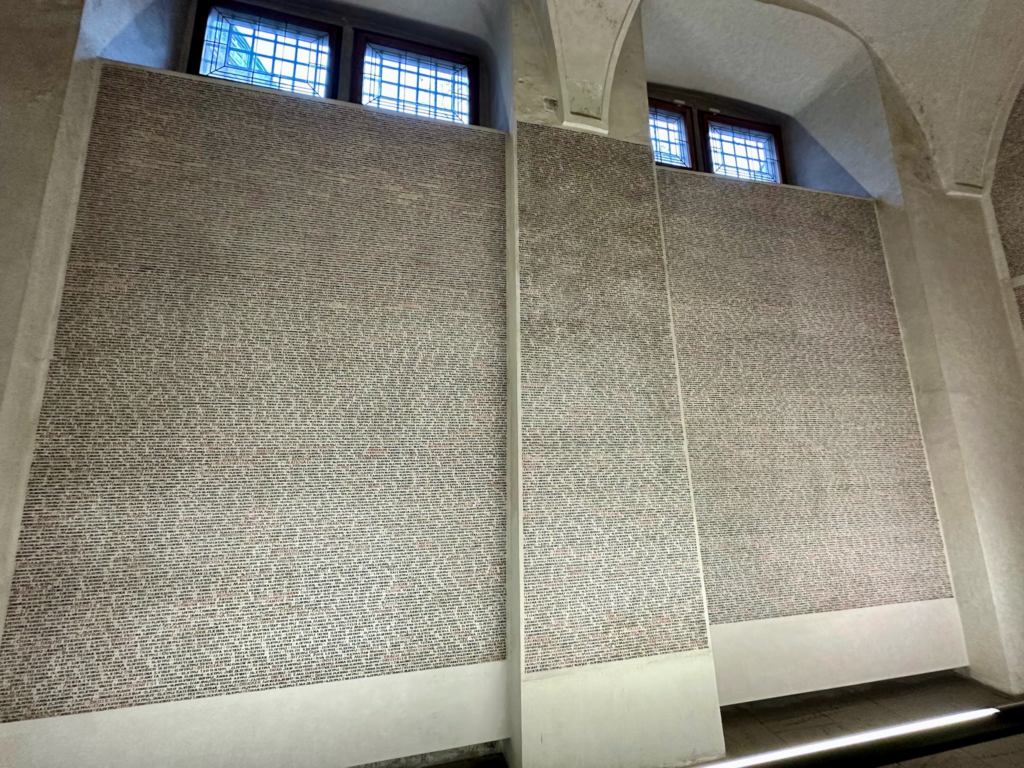
The Pinkas Synagogue, with its walls covered in names, turns memory into something physical and unavoidable.
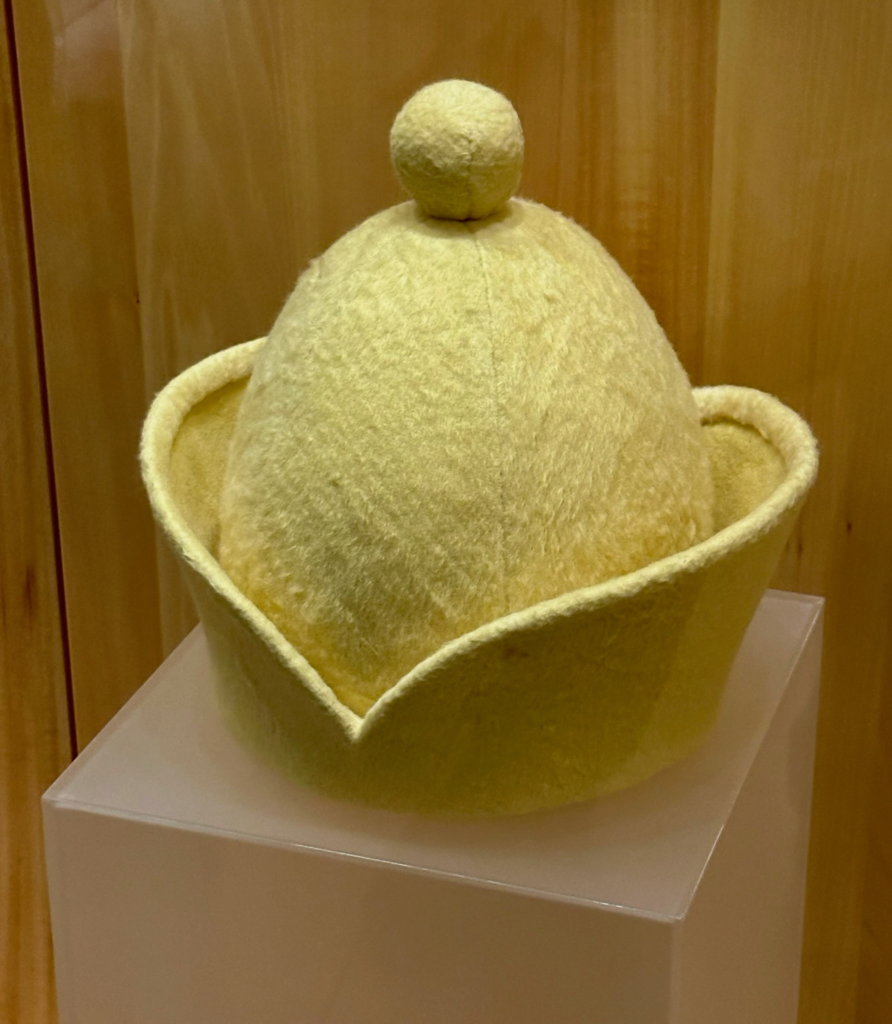
Standing there, the scale of absence becomes overwhelming — thousands of lives reduced to lines of text, yet impossible to forget.
Outside again, the neighborhood feels changed, even though nothing looks different.
Josefov isn’t a place you rush through. It asks for patience, respect, and a willingness to sit with uncomfortable truths.
More than anything, the Jewish Quarter leaves a lasting impression — not for its beauty, but for its resilience and memory.