

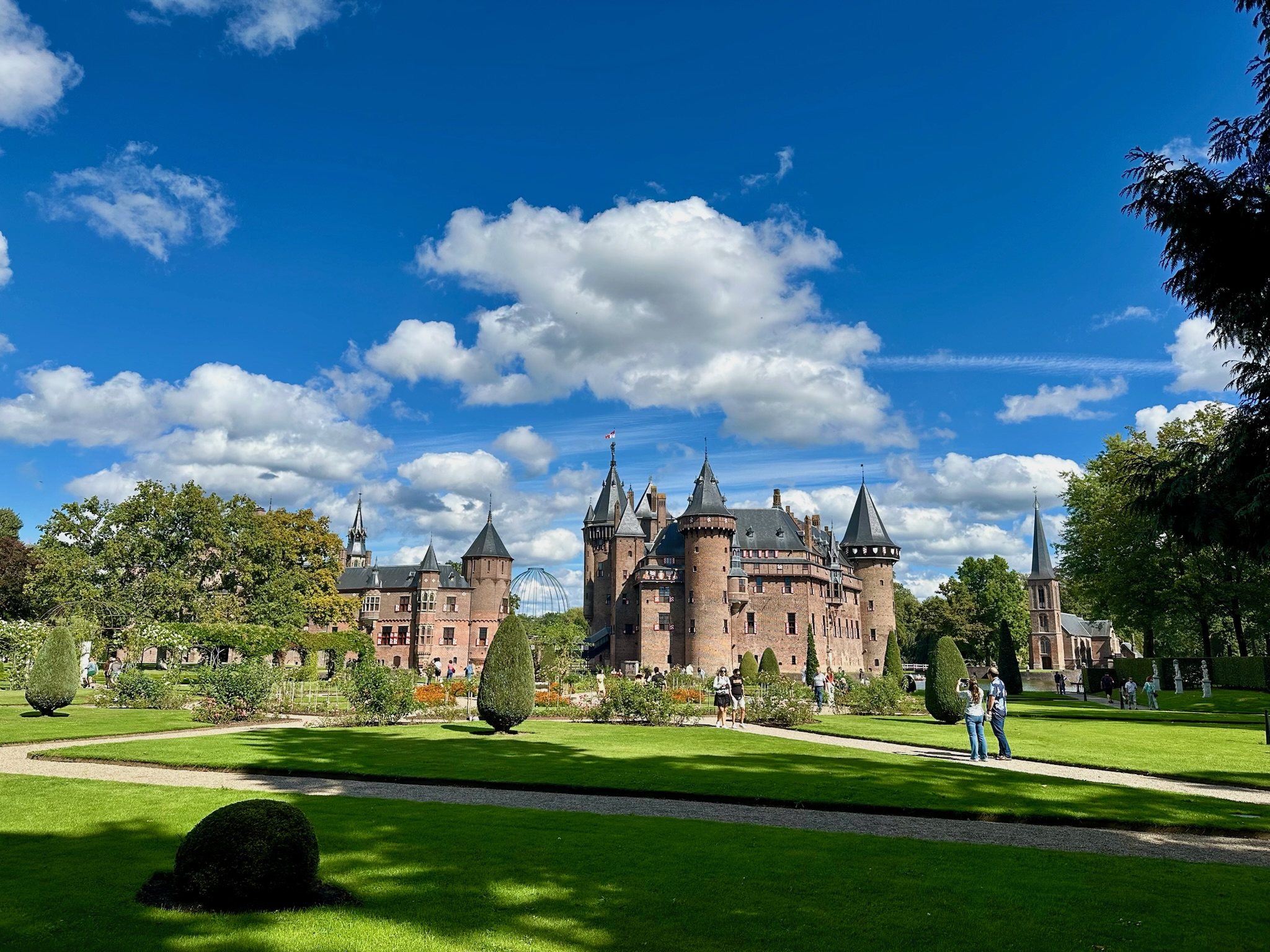

Castle De Haar feels almost unreal at first — less like a historic ruin and more like something imagined. Set just outside Utrecht, it rises suddenly from the flat Dutch landscape, surrounded by water, gardens, and carefully framed views.
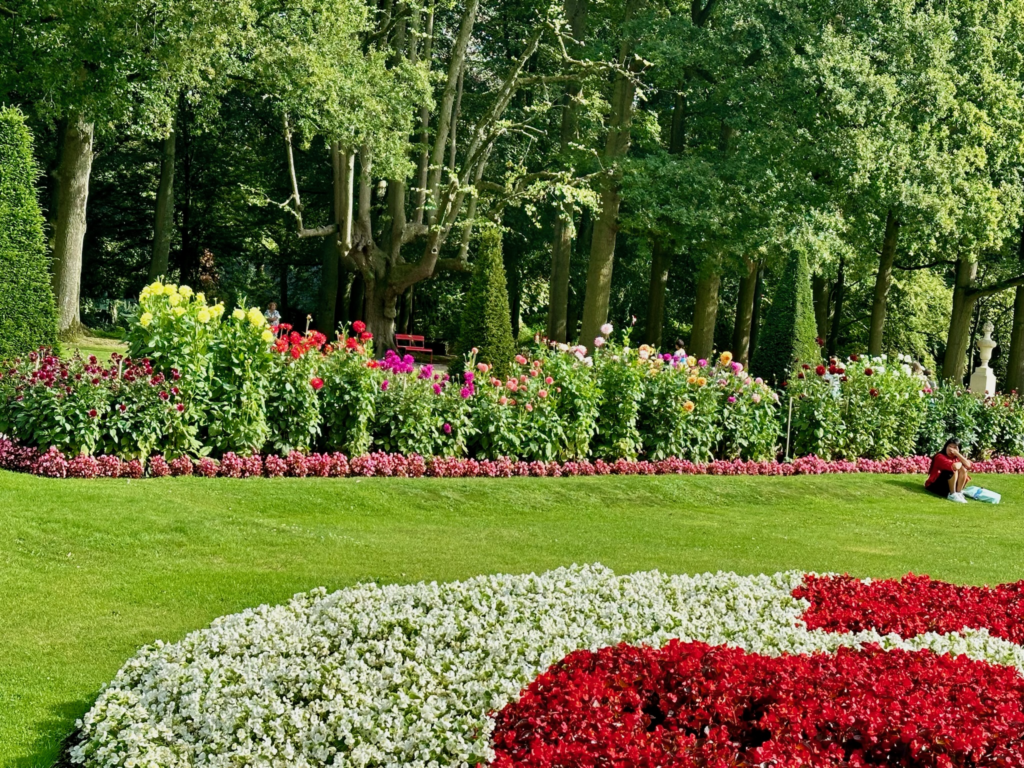
Approaching the castle, its scale becomes clear quickly. Towers, walls, and bridges all come into view at once, announcing that this is no ordinary estate.
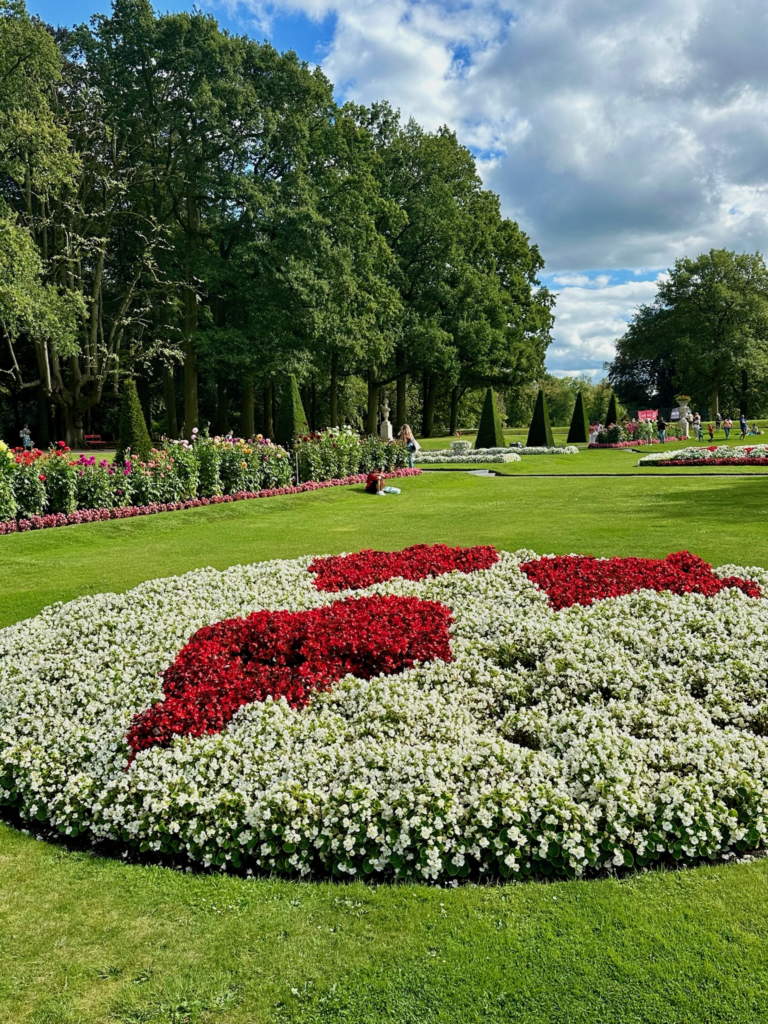
Crossing the moat feels like stepping out of the present and into a carefully preserved vision of the past.
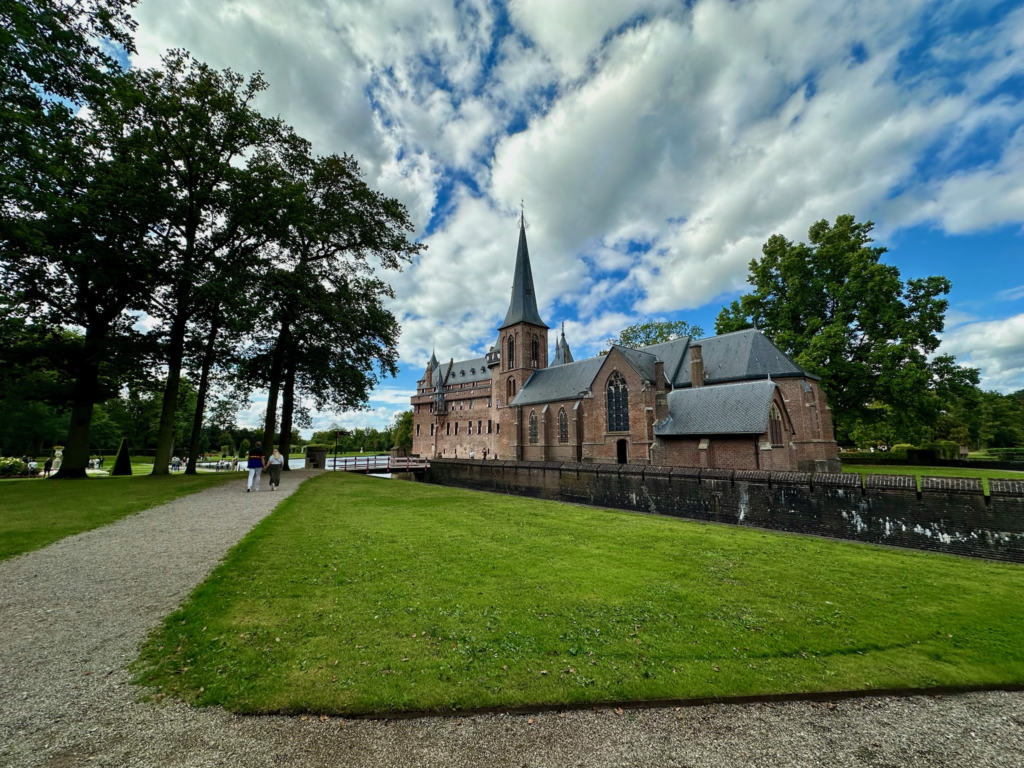
The castle’s exterior is intricate and imposing, with turrets and stonework that reward slow observation.
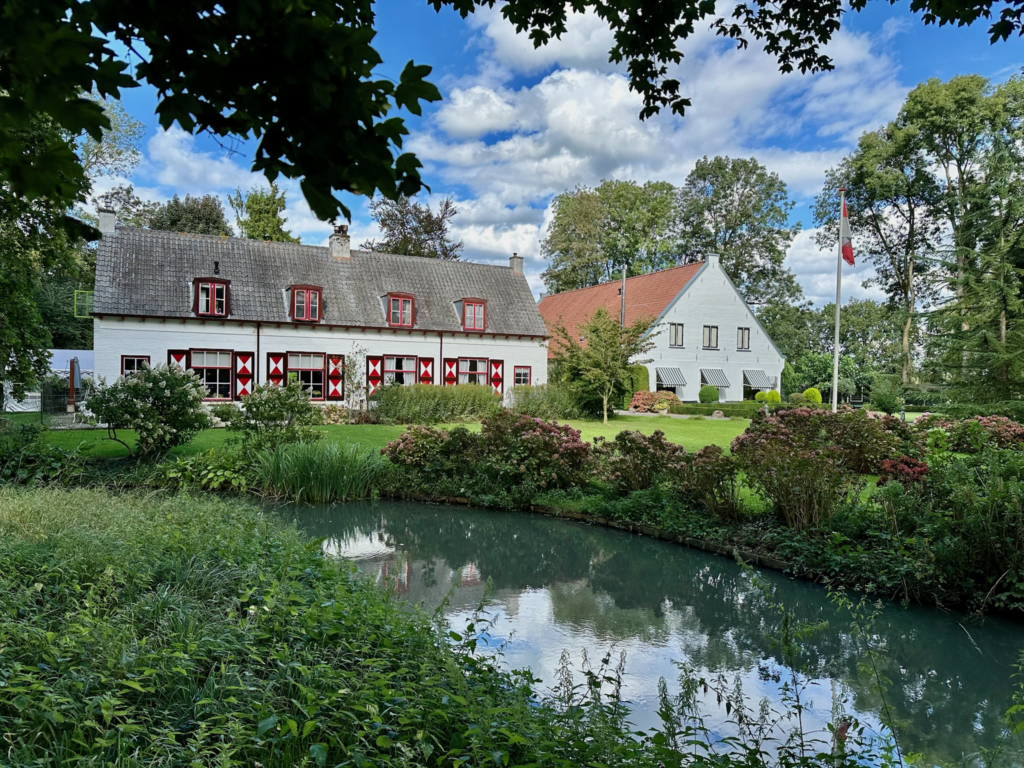
Every angle seems intentional, designed to impress long before you ever step inside.
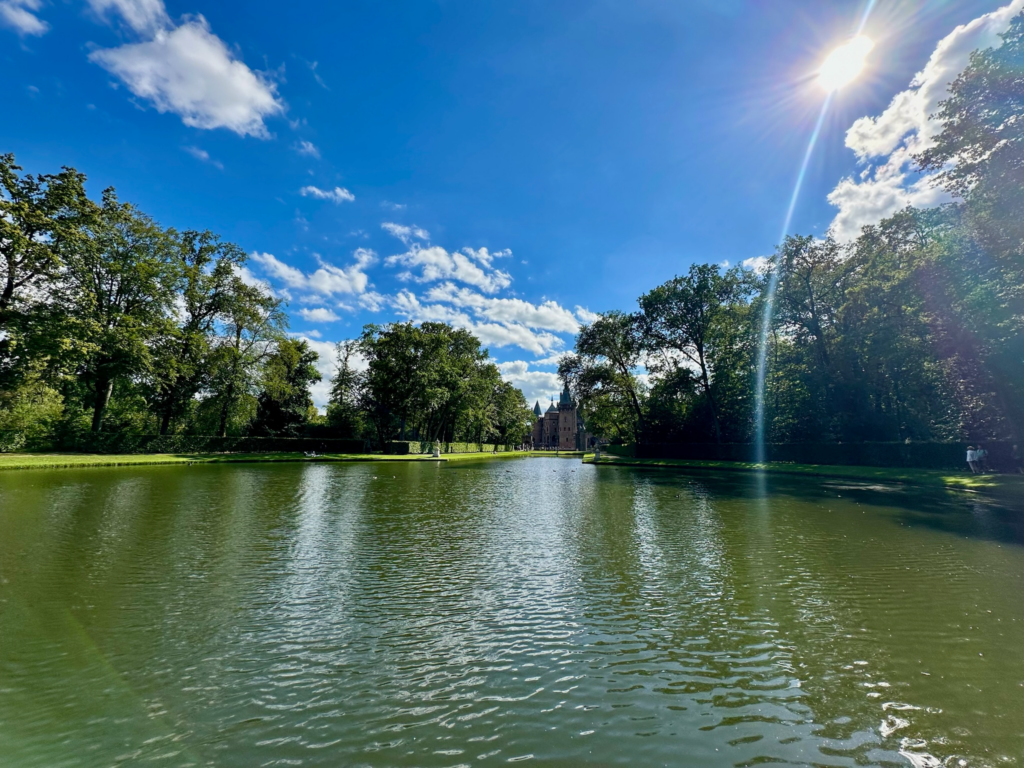
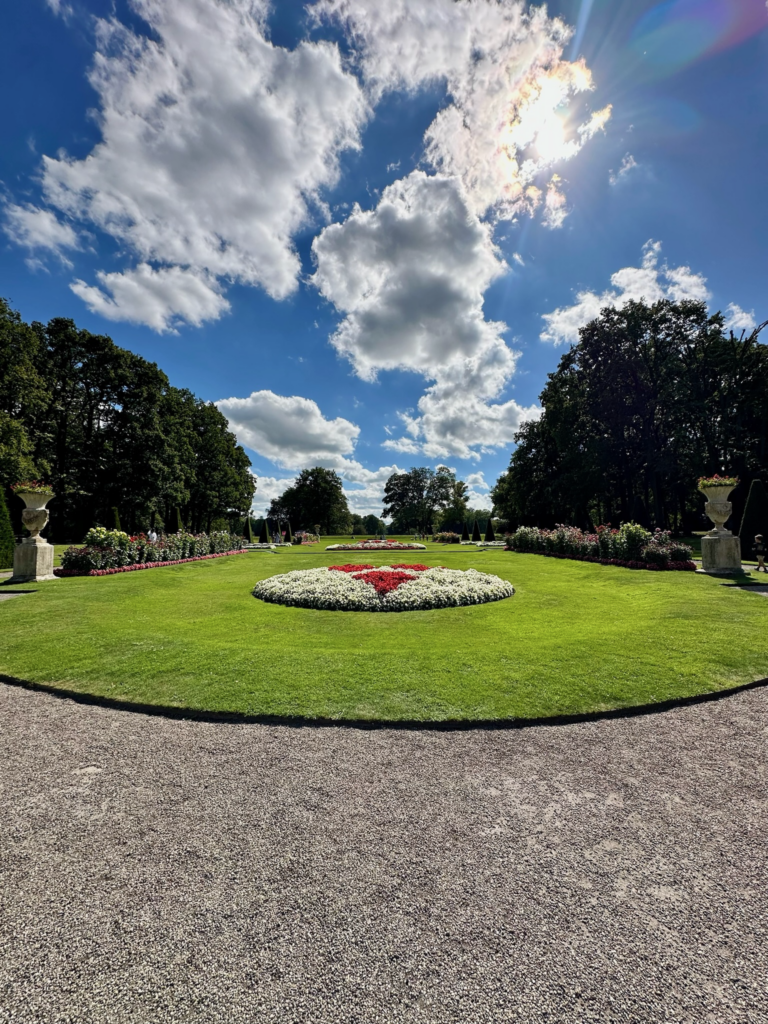
The grounds surrounding De Haar are expansive, laid out with long paths, trees, and open lawns that balance the weight of the castle itself.
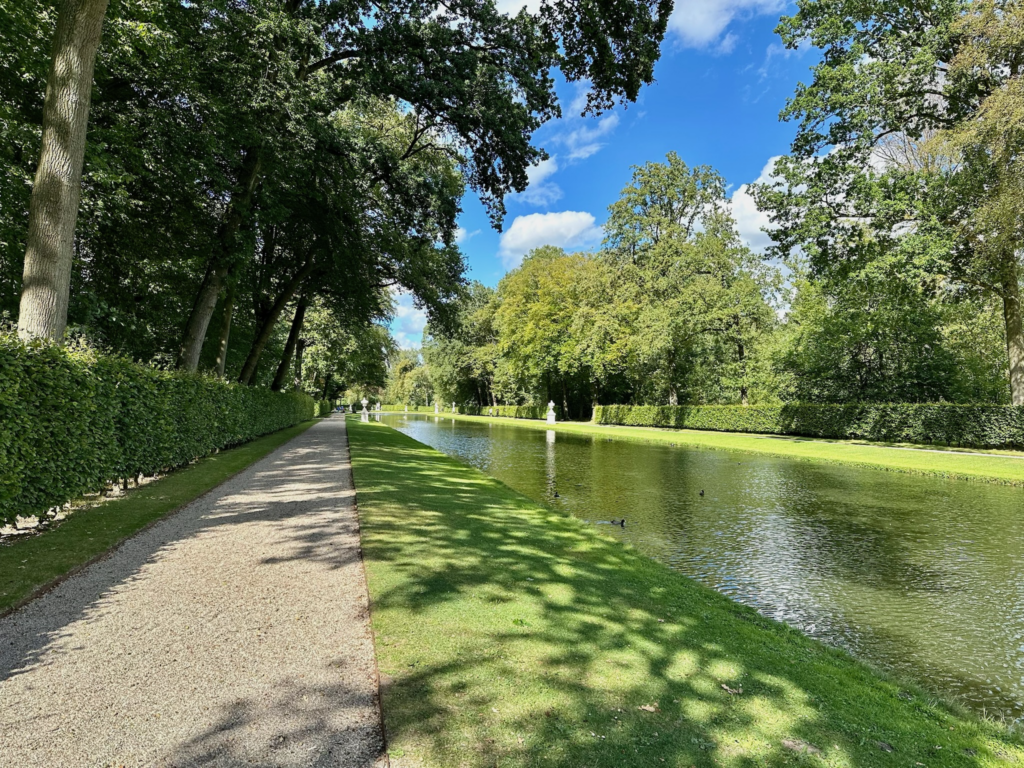
Walking the gardens offers constant shifts in perspective — framed views back toward the towers, reflections in the water, and quiet corners away from the crowds.
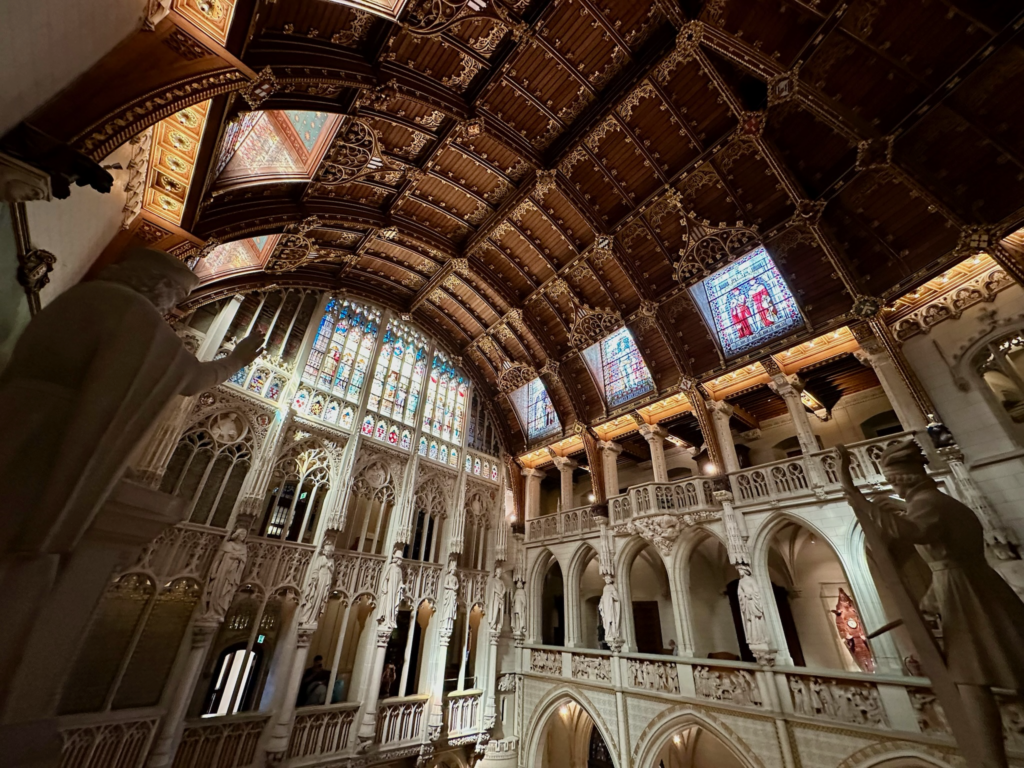
Inside, the rooms feel rich and dramatic, filled with dark wood, stained glass, and details meant to signal status and permanence.
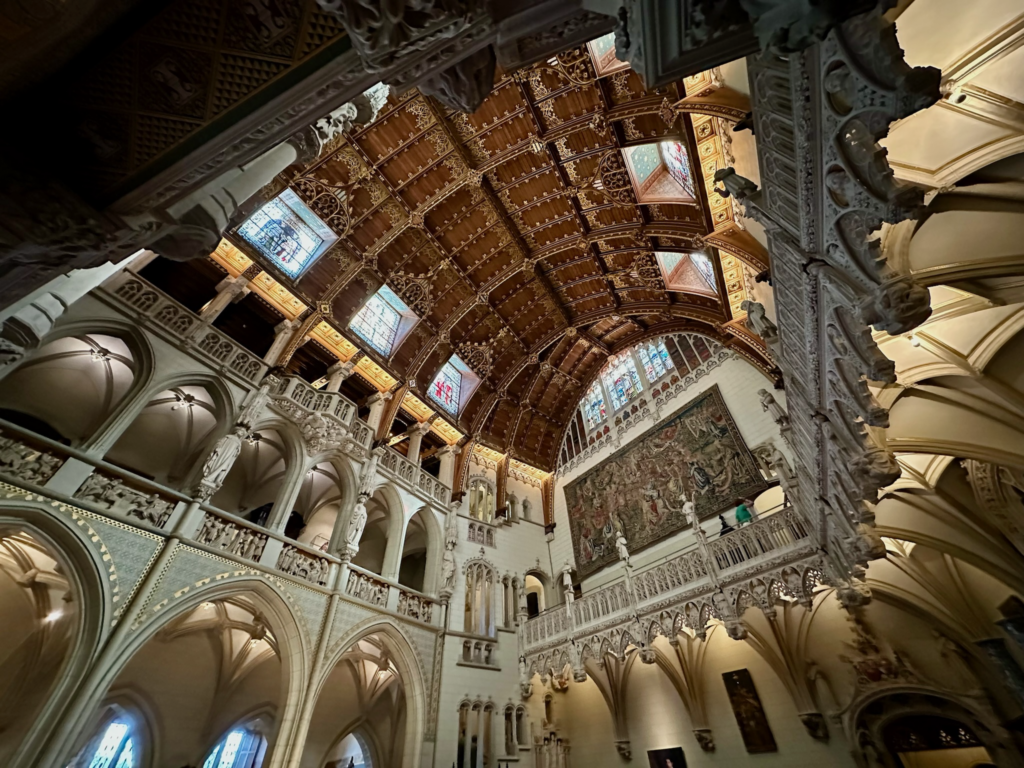
The contrast between the ornate interiors and the calm exterior grounds makes the experience feel layered rather than overwhelming.
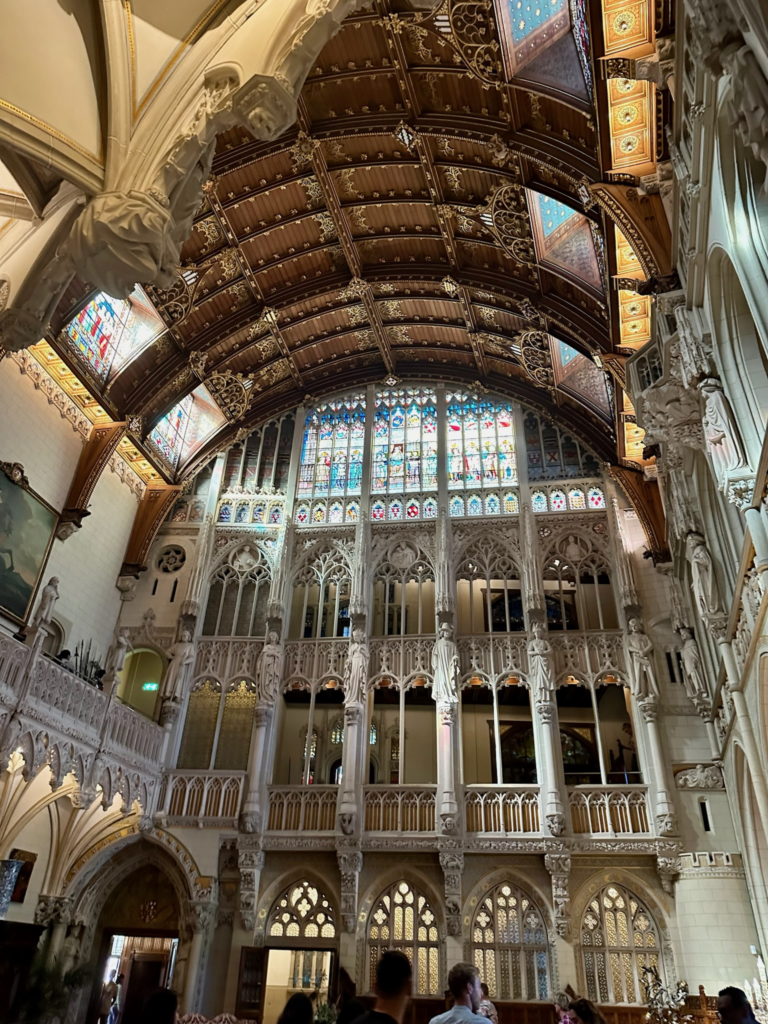
Windows frame the landscape outside, reminding you how carefully the castle and its setting were designed together.
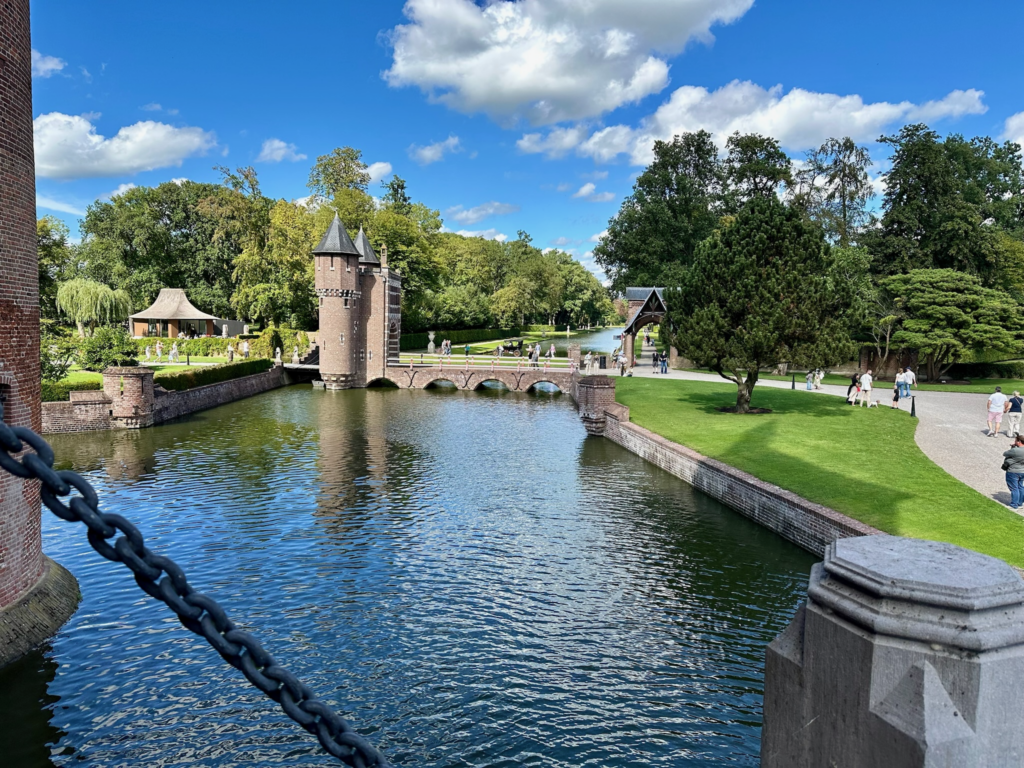
Moving through the halls, it’s easy to imagine how the castle functioned as both a home and a statement.
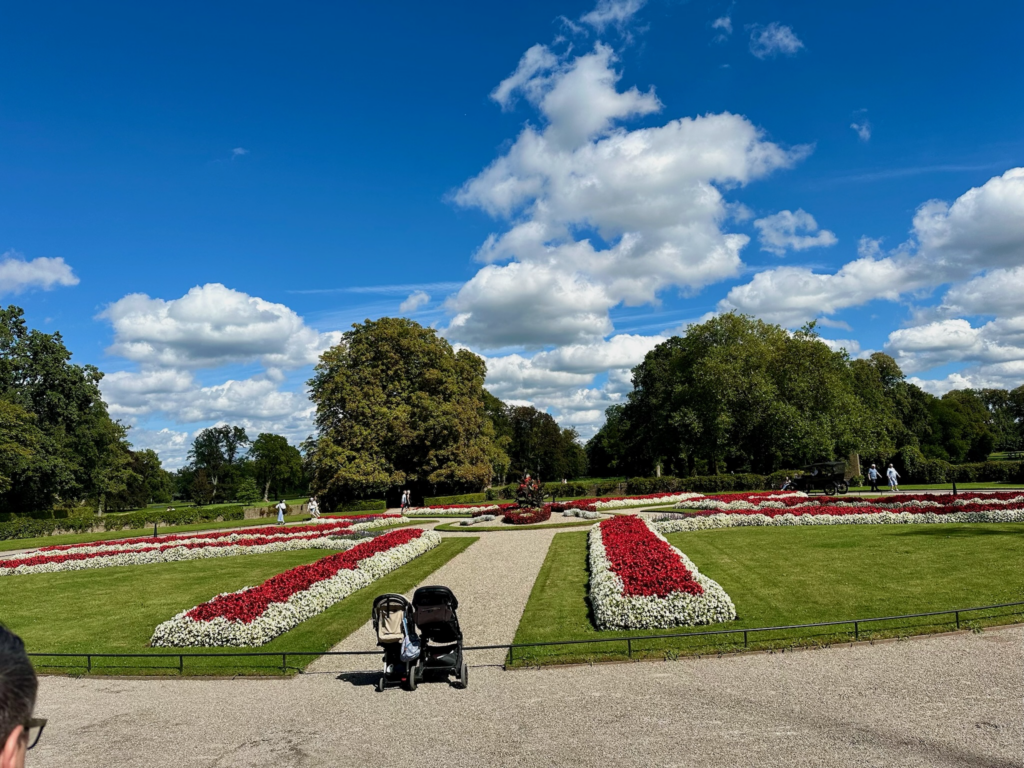
Back outside, the gardens feel lighter, offering space to breathe after the density of the interior.
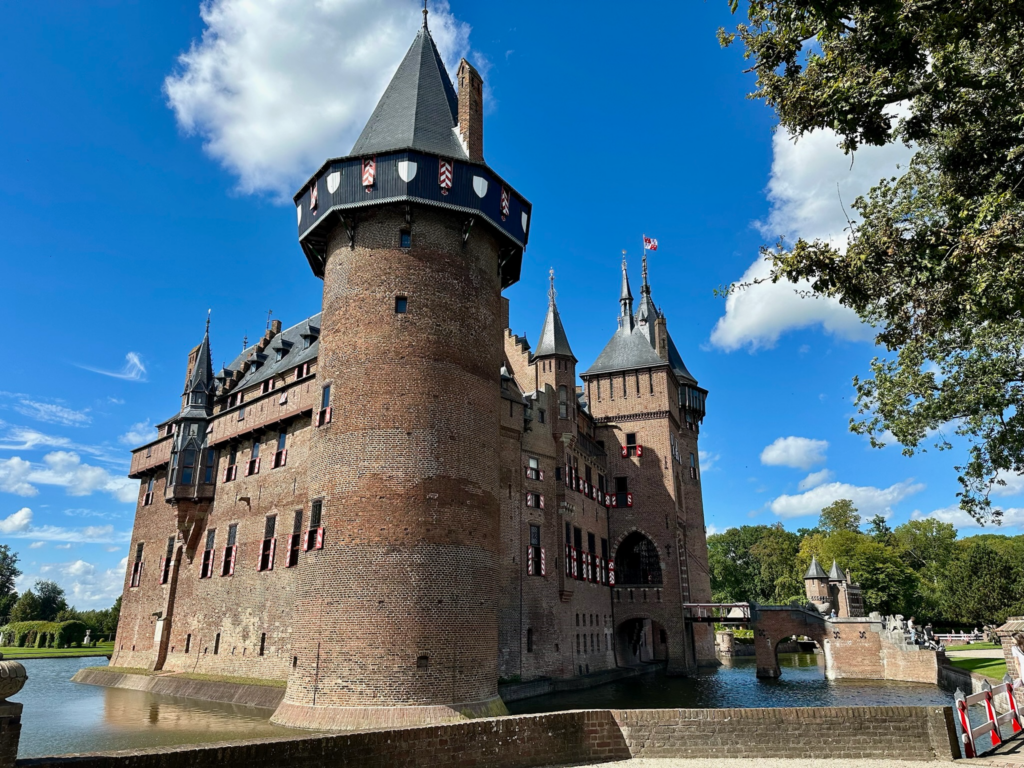
From a distance, De Haar looks perfectly composed — water, greenery, and stone all working in harmony.
As the light changes, the castle shifts character, becoming softer and almost storybook-like.
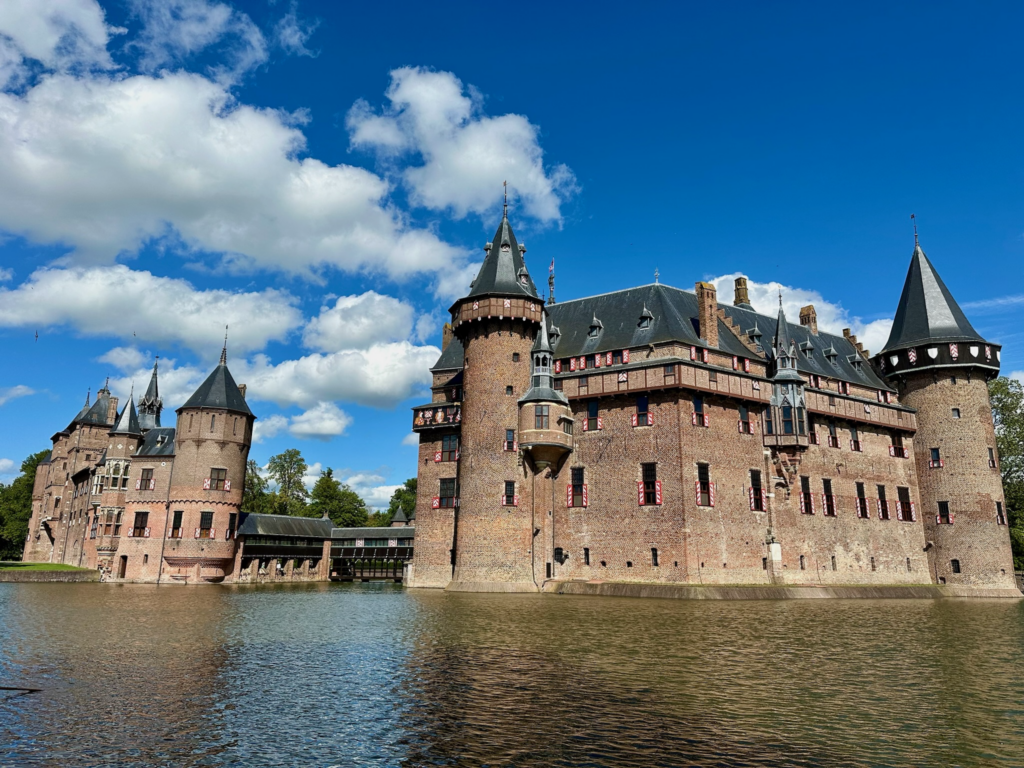
Castle De Haar leaves the impression of something carefully constructed to endure — not just as architecture, but as an experience.