

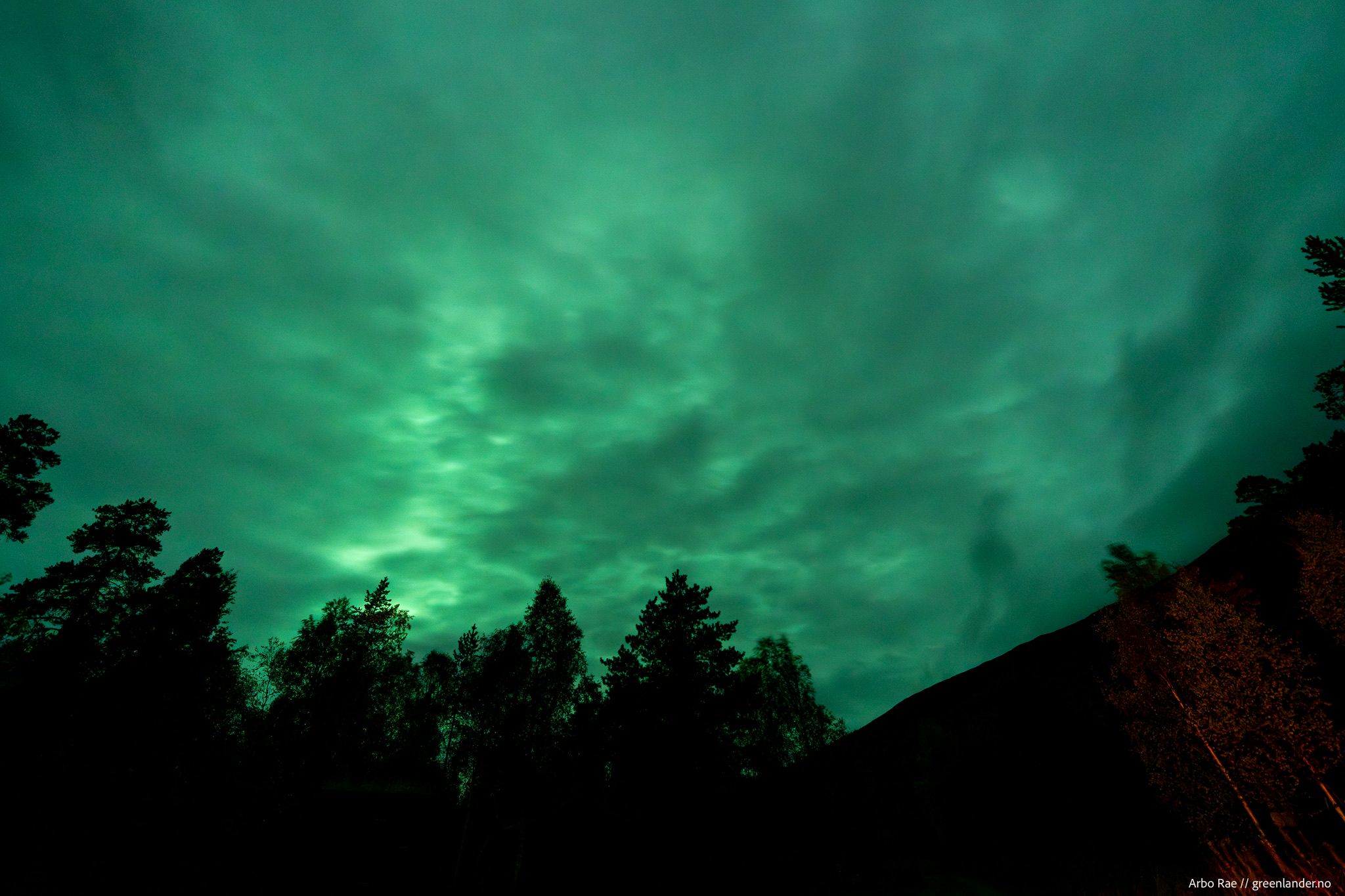

Tromsø feels like the edge of something — the edge of the Arctic, the edge of daylight, the edge between wilderness and city. Flying in from Bergen, the landscape shifts quickly, mountains giving way to snow, sea, and a colder, sharper light.
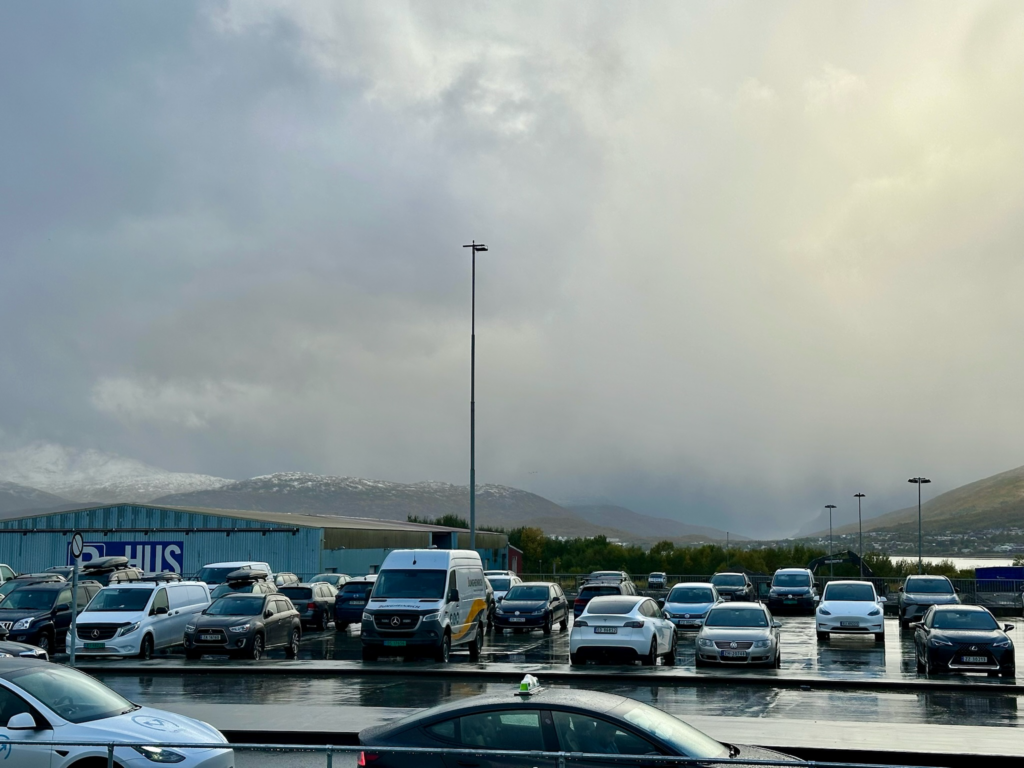
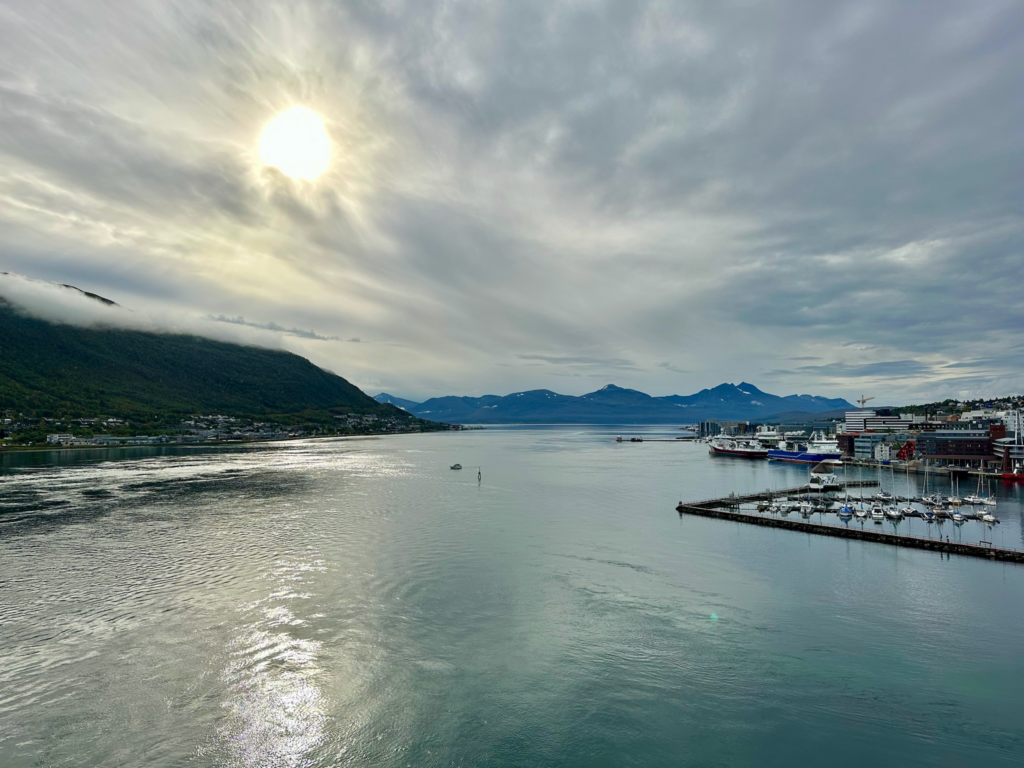
Landing in Tromsø, the setting is immediately dramatic. Mountains rise straight from the water, framing a town that feels both remote and surprisingly alive.
Despite its Arctic location, Tromsø is compact and walkable, making it easy to explore the entire town on foot.
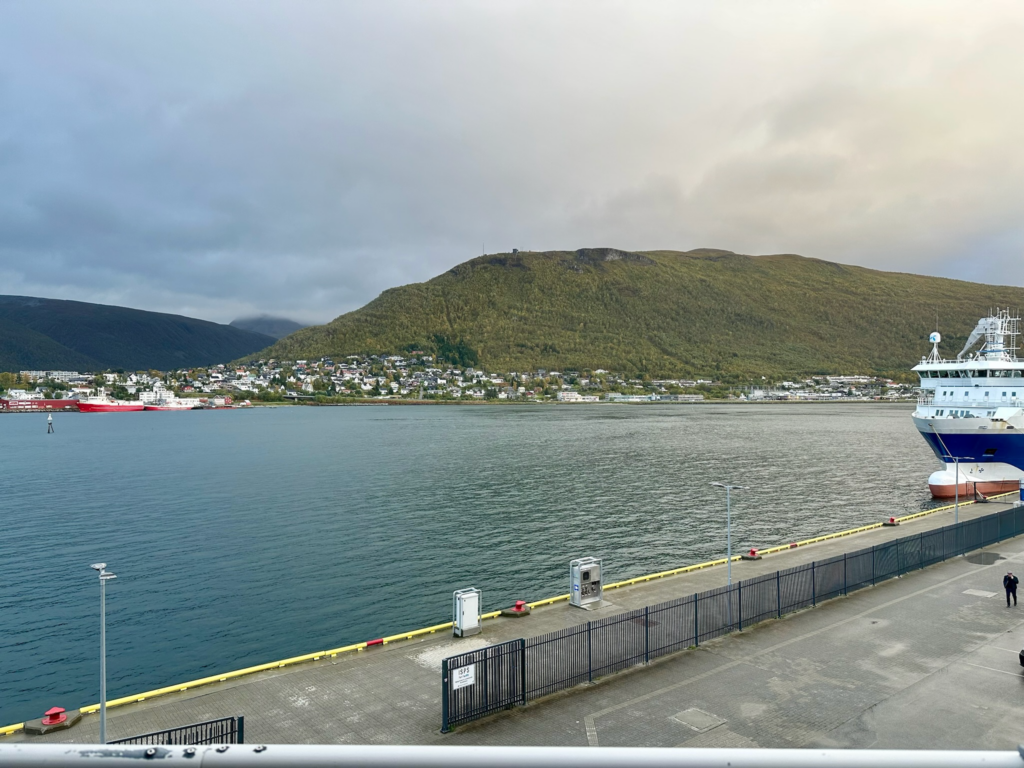
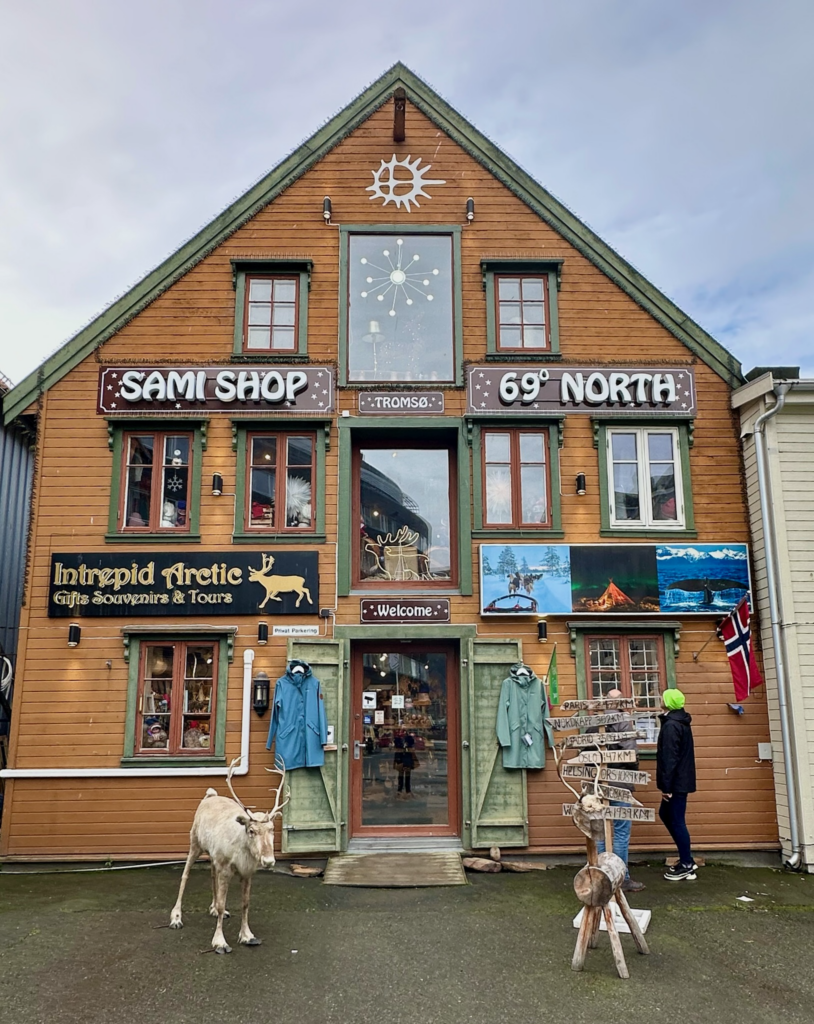
Walking through the streets, there’s a sense of resilience — colorful buildings, bundled locals, and an easy rhythm to daily life this far north.
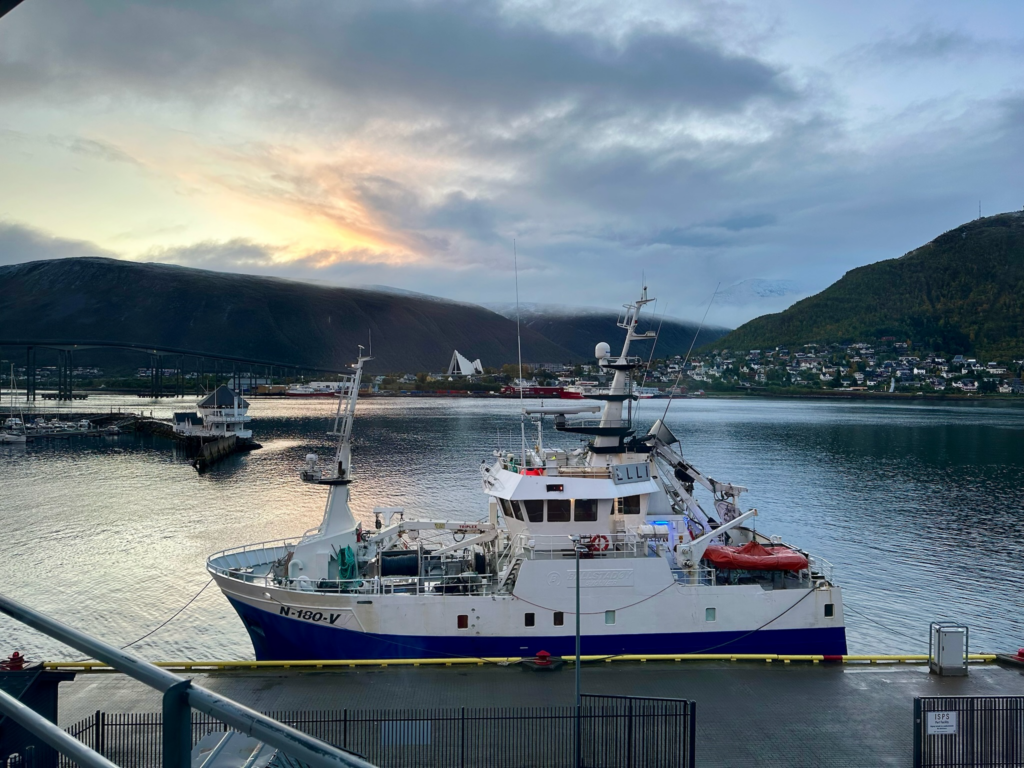
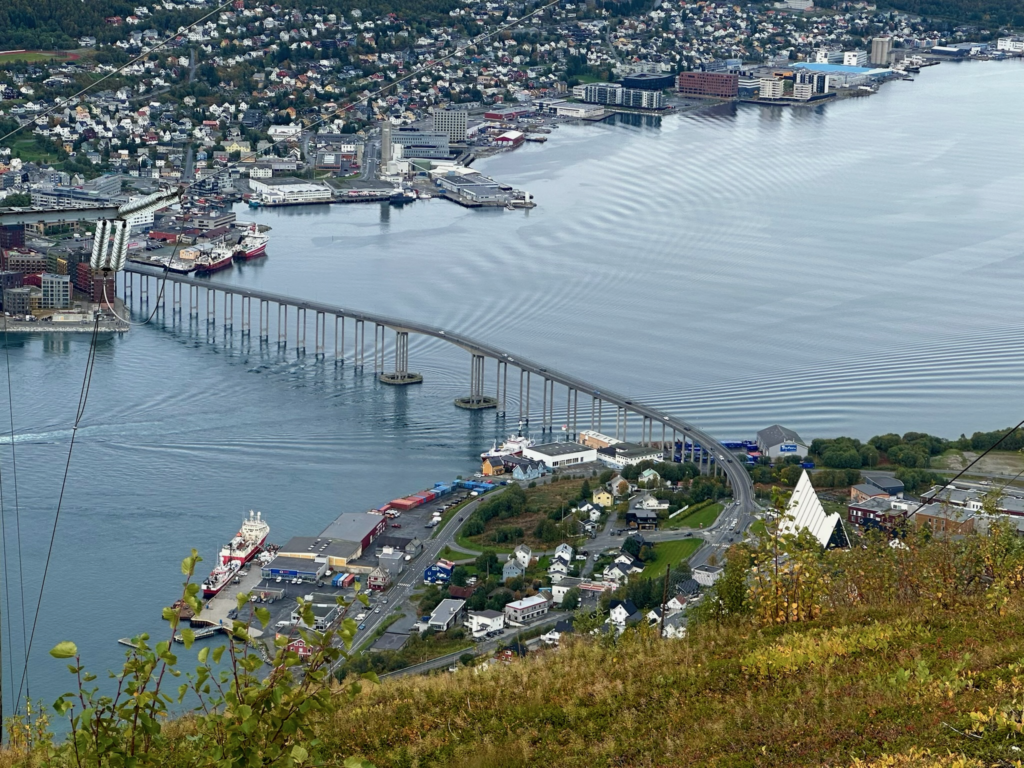
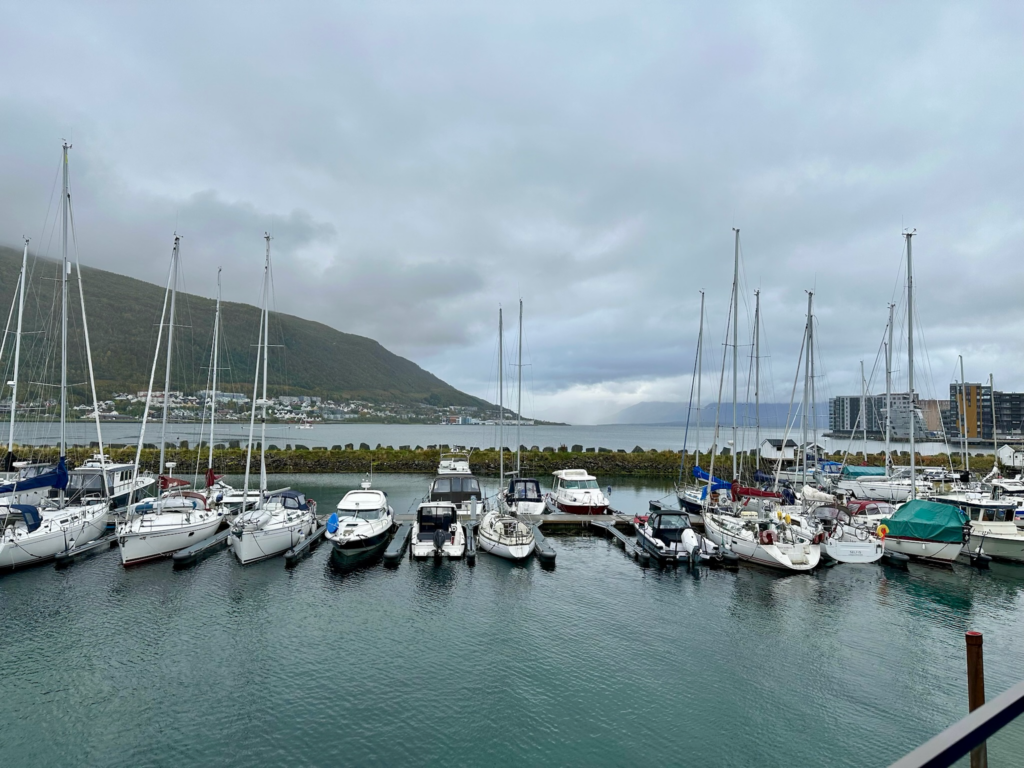
The harbor ties everything together, with boats, bridges, and water reflecting the surrounding peaks.
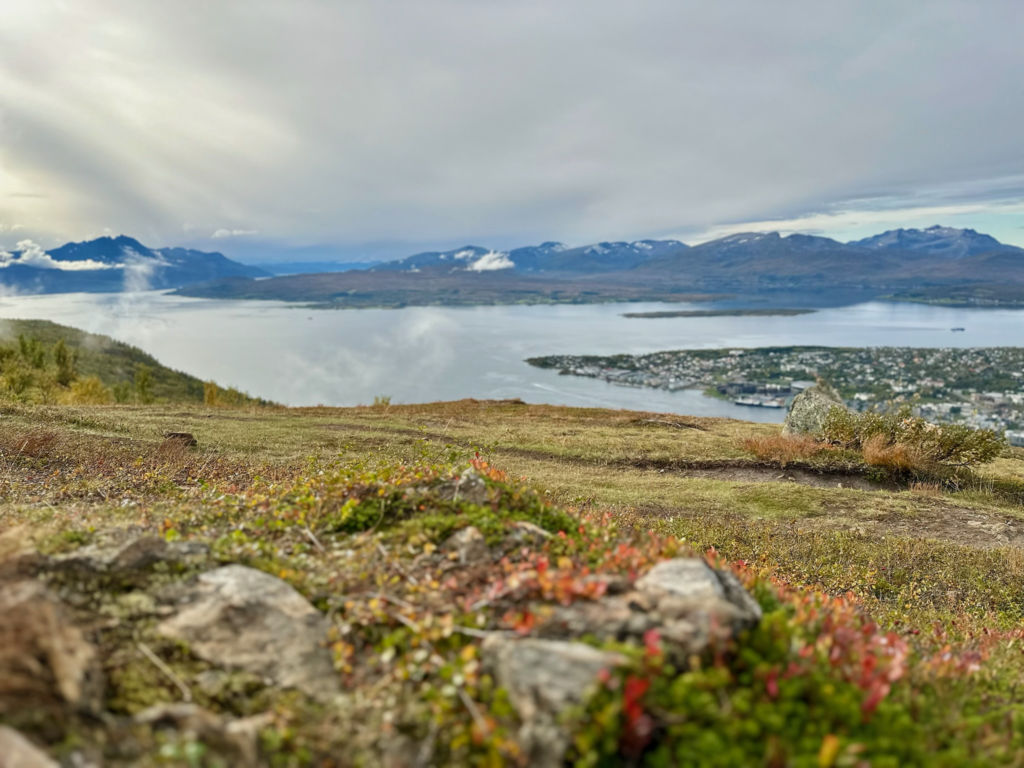
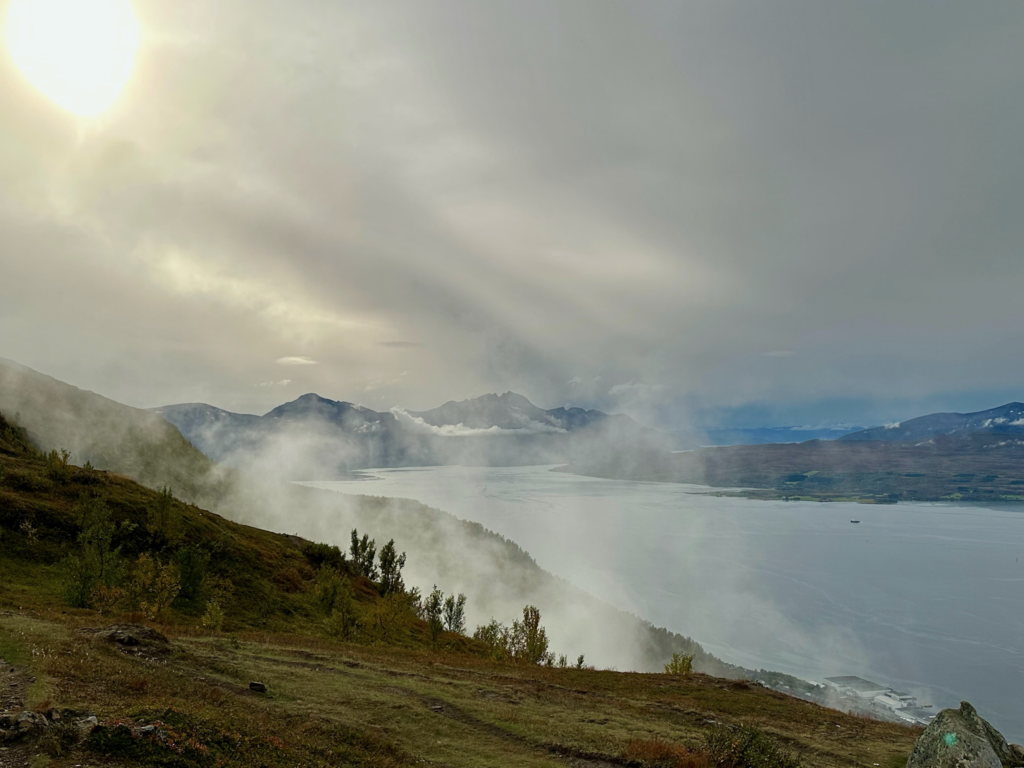
One of the highlights was taking the cable car up the mountain, climbing quickly from sea level to sweeping views above the city.
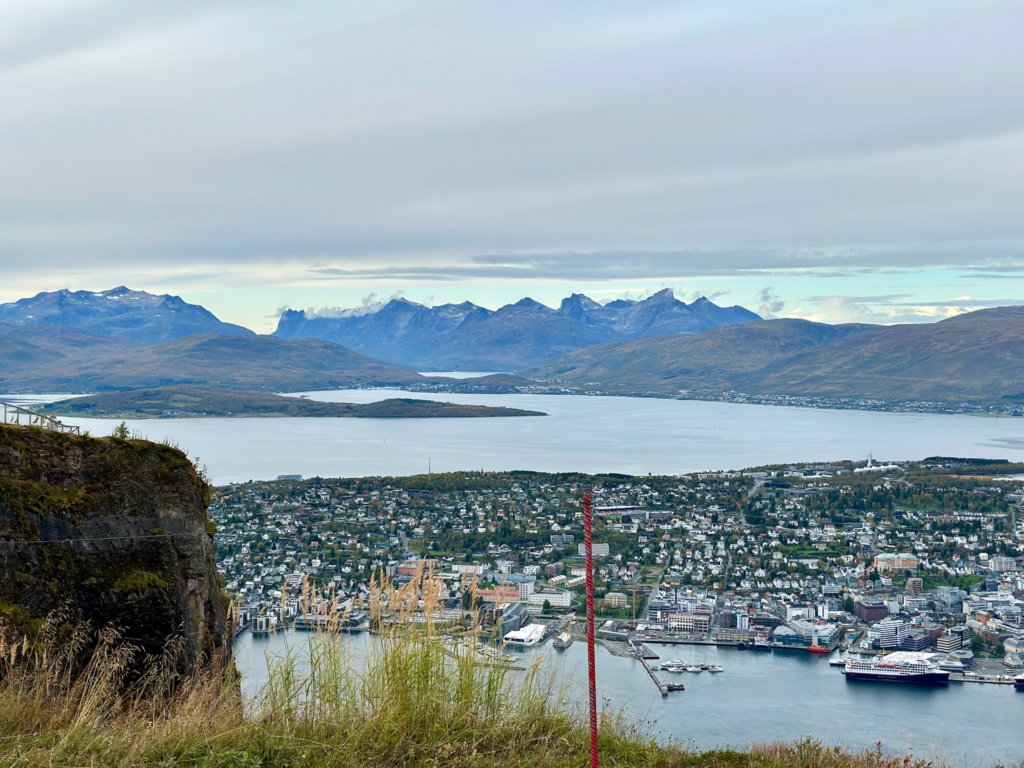
From the top, Tromsø stretches out below — islands, bridges, and water layered beneath snow-covered mountains.
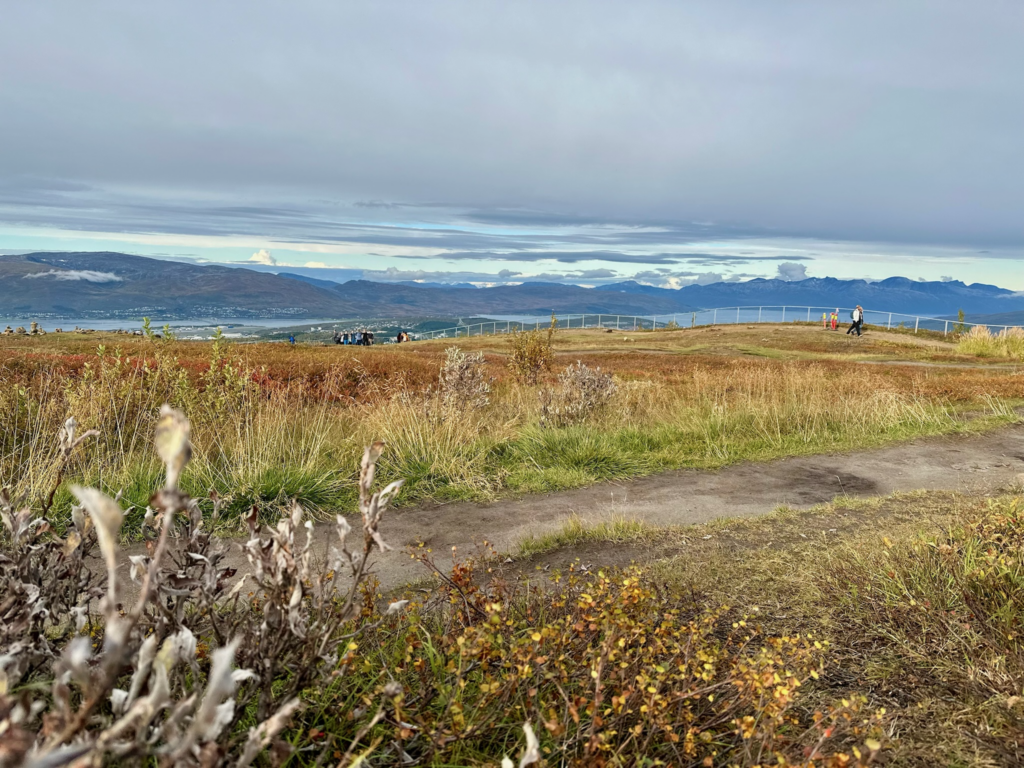
Lunch at the top felt unhurried, the kind of moment where the view does most of the talking.
Back at street level, the town reveals its quieter details — small shops, cafés, and paths that invite wandering.
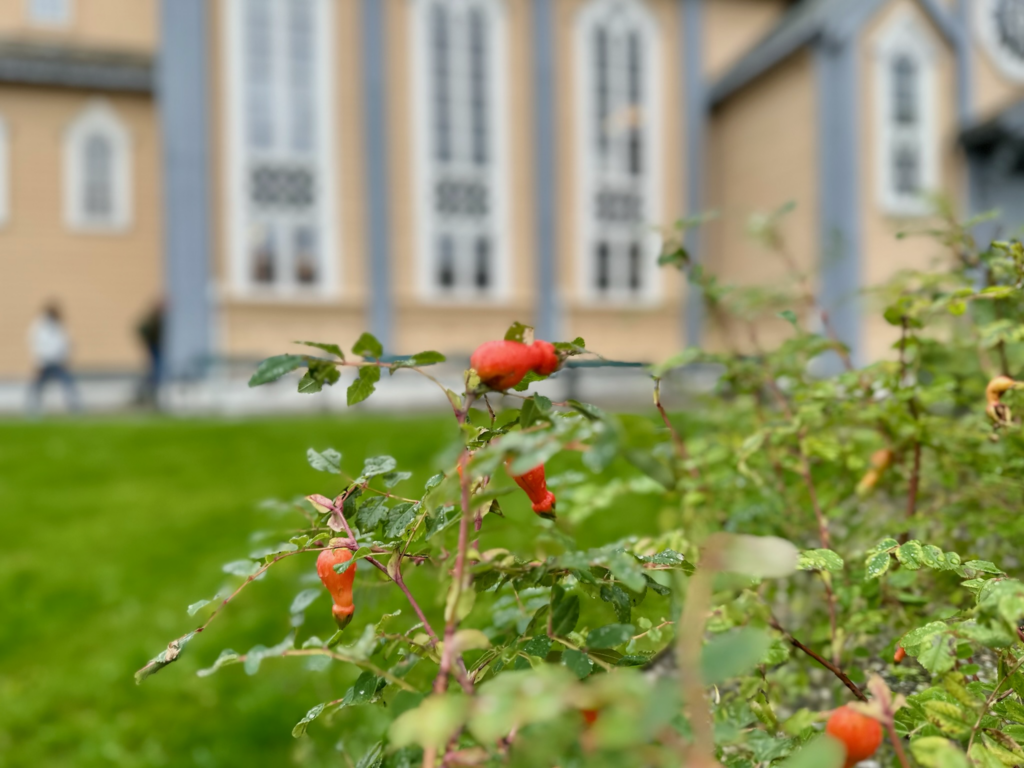
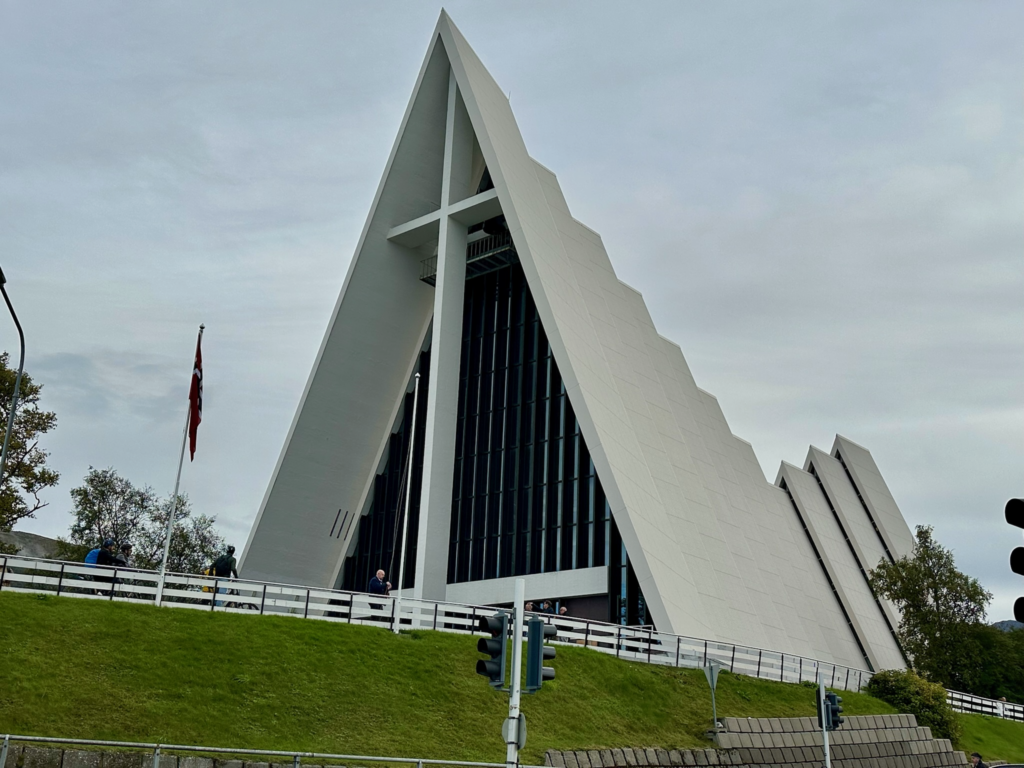
The Arctic Cathedral stands out across the water, modern and striking against its stark surroundings.
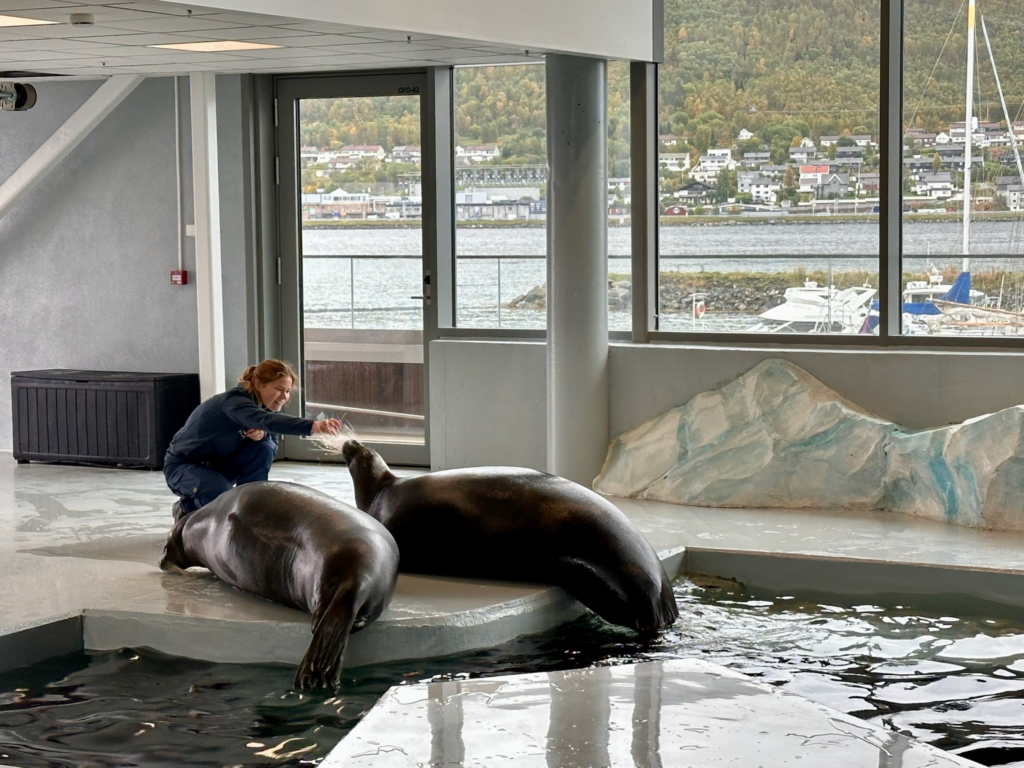
A visit to the aquarium offered a closer look at Arctic marine life, grounding the experience in the environment that defines this region.
As evening approached, anticipation built for the Northern Lights tour — the reason Tromsø draws travelers from around the world.
Leaving the city behind, the darkness felt deeper and more complete, broken only by stars and snow.
When the Northern Lights finally appeared, they felt unreal — shifting, glowing, and impossible to fully capture.
Flying out to Stockholm the next day, Tromsø lingered as a place of contrasts — cold and welcoming, wild and livable, unforgettable in its quiet intensity.